Ask almost anyone how to get things moving and you will hear the same advice: eat more fiber. So it is no surprise that many people try it, and then wonder why they feel bloated, gassy, or even more backed up than before. If you have ever asked yourself whether fiber really makes you poop, you are in good company.
The short answer is yes, fiber helps most people have more regular and comfortable bowel movements. The longer answer is that how you add it, what kind you choose, and what you drink with it all make a big difference. In this article, we will explain what fiber does inside your body, clear up a few common myths, and show you how to use it so it actually works. If you want specific numbers and food lists, we cover those in our guides on how much fiber you need per day and foods with fiber. This post is all about the why.
What fiber actually is
Fiber is the part of plant foods that your body cannot fully break down or absorb. Instead of being digested like sugars and starches, it travels through your stomach and intestines mostly intact. That journey is exactly what makes it useful.
Mayo Clinic explains that dietary fiber, sometimes called roughage or bulk, includes the parts of plant foods your body cannot digest, and that it passes through your system and helps keep things moving along. Think of it like a gentle broom for your digestive tract, with the added bonus of soaking up water along the way.
So, how does fiber make you poop?
Fiber helps in a few ways at once. According to Mayo Clinic's overview of dietary fiber, fiber adds bulk to your stool and helps soften it, which makes it easier to pass. It also helps normalize bowel movements, meaning it can help with constipation and loose stools alike.
Here is a simple way to picture it. Imagine a dry sponge. When it gets wet, it swells and becomes soft. Fiber does something similar inside your intestines. It absorbs water, grows in size, and creates stool that is bulkier and softer. A larger, softer stool is easier for your intestines to move forward and easier for you to pass, with less pushing.
Soluble and insoluble fiber: two different jobs
Not all fiber behaves the same way. Mayo Clinic describes two main types, and most plant foods contain a mix of both.
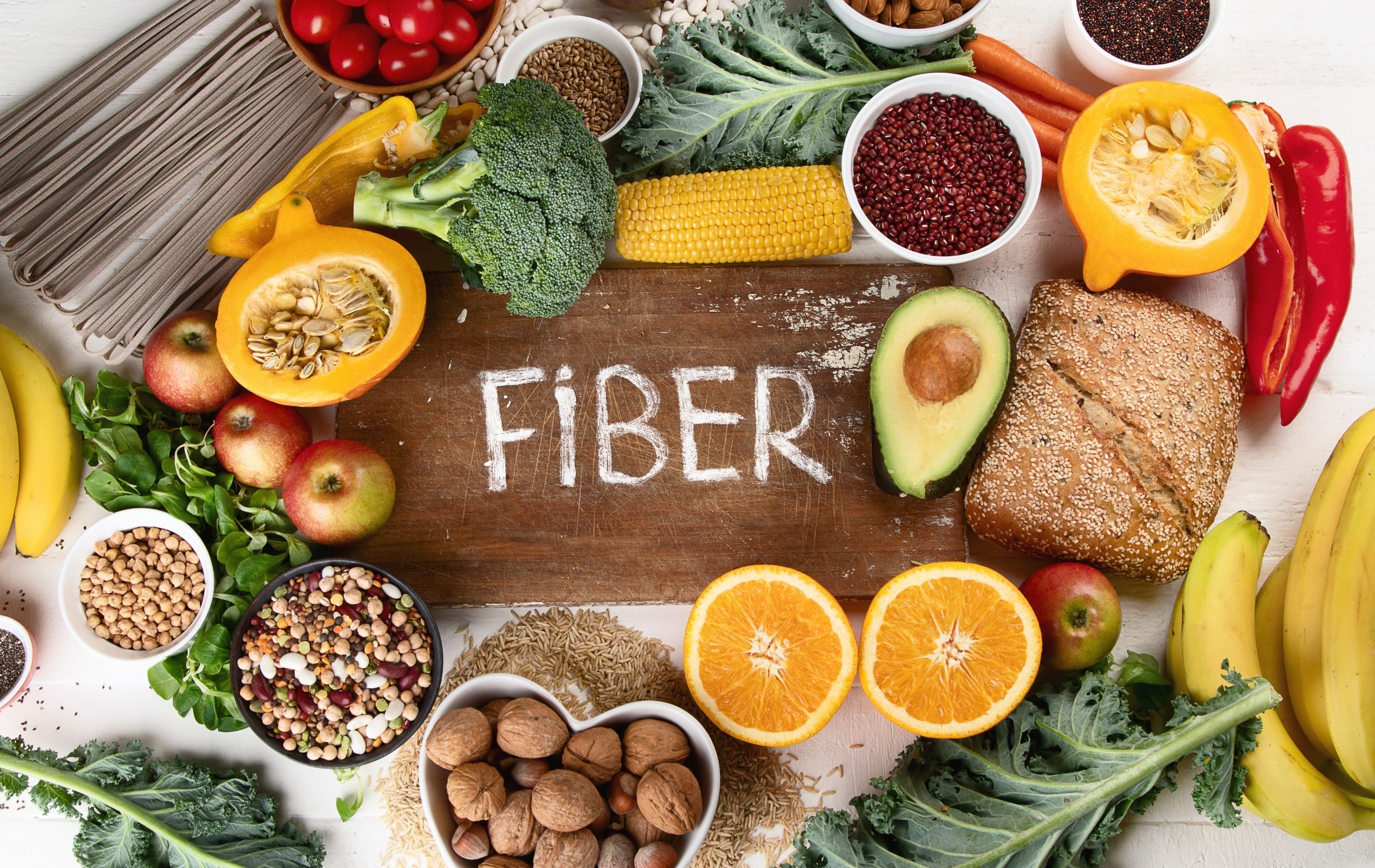
- Soluble fiber dissolves in water and forms a gel-like material. It slows digestion down a bit. You find it in oats, beans, apples, and citrus fruits.
- Insoluble fiber does not dissolve. It adds bulk to stool and helps food move through your system, which is why it is often linked to relief from constipation. Whole wheat products, nuts, beans, and many vegetables are good sources.
If your main goal is more regular bathroom trips, you will want both types in your diet. Beans are a nice example because they supply both kinds. For ideas on building meals around them, our list of the best high-fiber foods for constipation relief is a handy reference.
Why fiber sometimes does not seem to work
Here is where many people get tripped up. If you have added fiber and nothing improved, one of these common mix-ups may be the reason.
You added it too fast
Your digestive system needs time to adjust. Mayo Clinic recommends increasing fiber gradually over a few weeks, because a sudden jump can cause gas, bloating, and cramping. If you went from almost no fiber to a giant salad and a bowl of bran cereal in the same day, your gut may be protesting. Add one new high-fiber food at a time, and give your body several days to adapt before adding another.
You are not drinking enough water
Remember the sponge? It cannot swell without water. Mayo Clinic notes that fiber works best when you drink plenty of fluids, and that too little water can lead to gas, bloating, and cramping as fiber moves through. Without enough fluid, a high-fiber diet may leave stool feeling firm instead of soft. A simple habit is to drink a glass of water with each meal and keep a bottle nearby during the day.
You are only adding one type of fiber
If you rely on a single food or supplement, you may be missing the mix. A varied diet that includes fruits, vegetables, beans, nuts, and whole grains tends to be more effective, and it is more enjoyable too.
Something else is slowing you down
Fiber is helpful, but it is not the only factor. Mayo Clinic's page on constipation lists several other causes, including not drinking enough water, not being active, and taking certain medications, such as opioid pain relievers. Conditions such as diabetes, irritable bowel syndrome, and Parkinson's disease can also play a role. If you are doing everything right with fiber and fluids but still struggling, one of these may be part of the picture.
Common myths about fiber and bowel movements
Myth: More fiber is always better
Fiber has a sweet spot. Too much too quickly can cause discomfort, and there is no prize for hitting an extreme number. Aim for the daily amounts recommended by Mayo Clinic: about 25 grams for women under 50, 21 grams for women over 50, 38 grams for men under 50, and 30 grams for men over 50.
Myth: Fiber works overnight
Fiber is a habit, not a quick fix. Some people notice a change within a few days, while others need a couple of weeks of steady eating and drinking before things settle into a rhythm. If you need relief right away, talk with your provider about what is safe for you rather than doubling up on fiber.
Myth: Fiber only helps with constipation
Mayo Clinic notes that fiber helps normalize bowel movements, which means it can firm up loose stools as well. It also supports a healthy digestive system in general, and a high-fiber diet is linked with a lower risk of hemorrhoids.
Myth: Supplements are just as good as food
Fiber supplements can be useful, especially if you struggle to get enough from meals. But foods bring along vitamins, minerals, and other nutrients you would miss with a supplement alone. Most providers suggest food first, with supplements as backup.
How to use fiber the smart way
If you want fiber to do its job, here is a practical plan:
- Start where you are. Notice how much fiber you already eat, then add a little more.
- Go slowly. Add one new fiber-rich food every few days, such as a serving of berries or a handful of nuts.
- Drink water throughout the day. Keep a bottle with you and sip regularly.
- Mix your sources. Pair fruits, vegetables, beans, and whole grains.
- Move your body. A daily walk helps your intestines stay active.
- Listen to your body. If you feel more bloated or uncomfortable, slow down and give yourself more time.
Fiber, hemorrhoids, and straining
Regular, soft stools matter for more than comfort. According to Mayo Clinic's hemorrhoids overview, straining during bowel movements, chronic constipation, and a low-fiber diet are all common causes of swollen veins in the rectum, and eating high-fiber foods is a key way to help prevent them. If you have already noticed blood after a bowel movement, our article on whether hemorrhoids bleed explains what to look for.
When to see a provider
Fiber is a great tool, but it does not replace medical care when something seems off. Mayo Clinic suggests seeing a provider if constipation lasts beyond three weeks, or if you notice rectal bleeding, black stools, or unexplained weight loss. Any sudden, lasting change in your bowel habits is also worth a conversation. If you would like help figuring out what is behind your symptoms, you can contact our team.
Frequently asked questions
How long does it take for fiber to make you poop?
It varies. Some people notice a difference within a few days, but many need a couple of weeks of steady fiber and fluids. Adding fiber gradually gives your body time to adjust.
Can fiber make constipation worse?
It can, especially if you add a lot quickly or do not drink enough water. Slow down, drink more fluids, and give your gut time to adapt.
Is it better to take a fiber supplement or eat fiber-rich foods?
Foods are usually the best first choice because they provide additional nutrients. Supplements can help fill the gap, but check with your provider before starting one, particularly if you take medications.
Does fiber make you poop more often or just make it easier?
Both can happen. Fiber softens and bulks stool, which makes it easier to pass, and it can help bring you to a more regular schedule if you have been constipated.
The bottom line
So, does fiber make you poop? In most cases, yes. It adds bulk, holds onto water, and helps stool move along more comfortably. The catch is that it works best when you add it gradually, drink plenty of fluids, and eat a variety of sources. If your digestion still feels stuck after a few weeks of good habits, or if you notice warning signs like bleeding, it is time to check in with a professional. We are always happy to help you find answers.