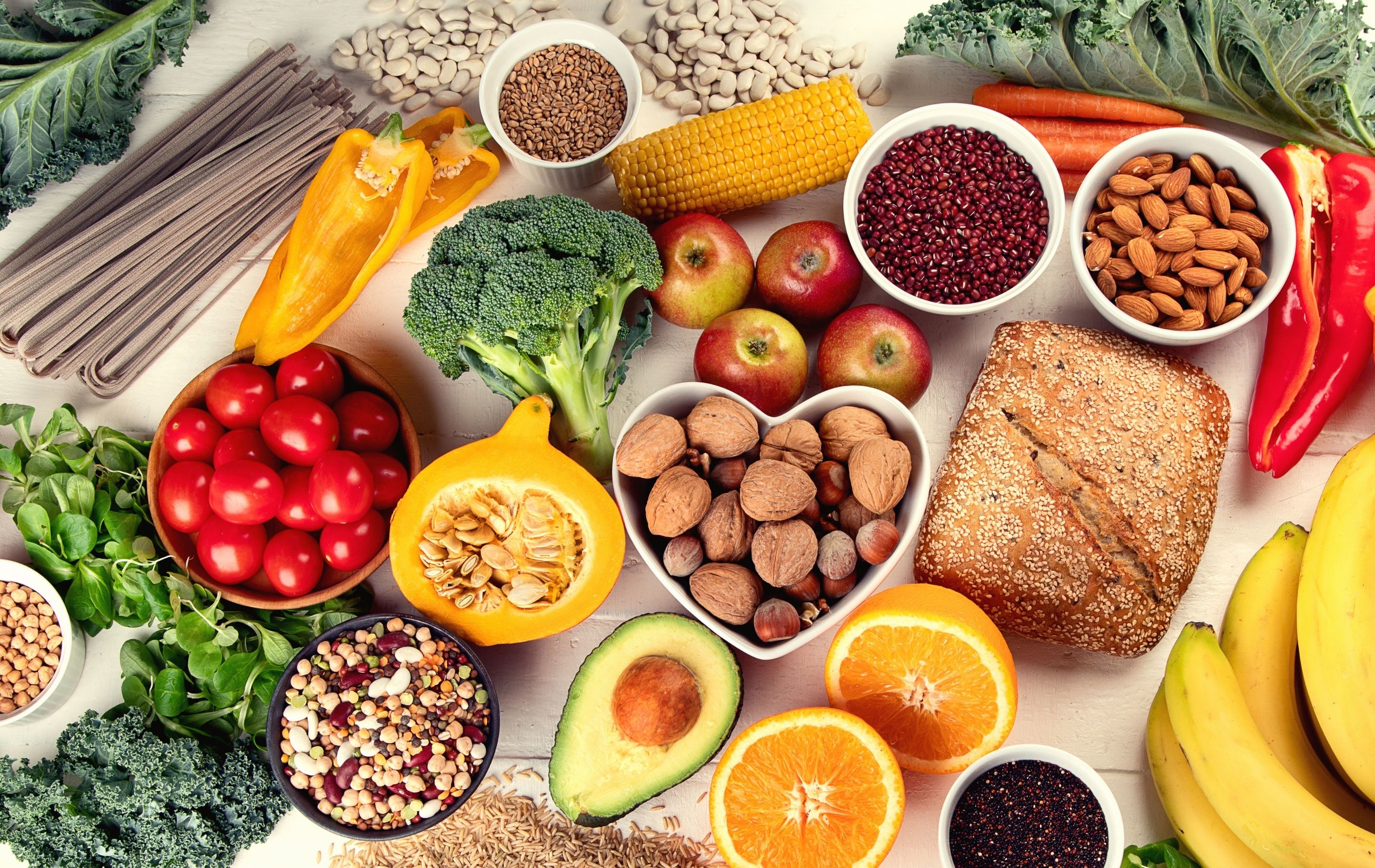
Knowing you need more fiber is one thing. Actually changing what ends up on your plate every day is another. If you already know the basics of why fiber matters, this post skips the theory and gets straight into practical ways to work more of it into meals you are already eating, without turning your whole diet upside down.
If you want a refresher on exactly how much fiber to aim for each day, we covered the specific numbers in our earlier post on daily fiber needs. This post picks up from there with real, practical ways to close that gap.
Start With Breakfast
Breakfast is often the easiest meal to boost, since a few small swaps go a long way.
Swap refined cereal for oats. A bowl of oatmeal has significantly more fiber than most boxed cereals, and topping it with berries or a spoonful of chia seeds adds even more.
Add fruit with the skin on. An apple or pear eaten whole has more fiber than the same fruit peeled or juiced, since much of the fiber lives in the skin.
Choose whole grain toast. Swapping white bread for a whole grain or seeded variety is a small change that adds up meal after meal.
Stir in chia or flax seeds. A tablespoon added to yogurt, oatmeal, or a smoothie adds several grams of fiber without changing the taste much at all.
Boost Fiber at Lunch
Add a scoop of beans or lentils. Tossing black beans, chickpeas, or lentils into a salad or grain bowl is one of the easiest ways to add a meaningful amount of fiber to a midday meal.
Choose whole grain bread or wraps. If sandwiches are part of your routine, a whole grain option makes a noticeable difference over the course of a week.
Leave the skin on vegetables. Potatoes, cucumbers, and carrots all carry extra fiber in their skin, so there is often no need to peel them.
Add a side salad. A simple side of leafy greens, especially with added vegetables like bell peppers or shredded carrots, is an easy way to build in more fiber without much extra effort.
Make Dinner Work Harder for You
Bulk up soups and stews with legumes. Lentils, split peas, or beans add fiber, protein, and texture to almost any soup or stew without much extra prep.
Choose brown rice or quinoa over white rice. Whole grains retain the fiber that gets stripped out during processing, and the flavor difference is minor enough that most people barely notice the switch.
Roast a vegetable with the skin on. Sweet potatoes and regular potatoes both hold extra fiber in their skins, and roasting keeps it intact.
Add a vegetable to a dish you already make. Stirring spinach into pasta sauce, adding broccoli to a stir fry, or tossing extra vegetables into a casserole are simple ways to raise the fiber content of meals you already cook regularly.
Smarter Snacking
Choose whole fruit over fruit juice. Juice loses most of the fiber found in whole fruit during processing, so an orange offers far more benefit than a glass of orange juice.
Keep nuts and seeds on hand. Almonds, pistachios, and pumpkin seeds all provide a solid dose of fiber, along with healthy fats that help keep you satisfied between meals.
Try popcorn instead of chips. Air popped popcorn is a whole grain and a surprisingly good source of fiber for a snack food.
Pair fruit with nut butter. Apple slices with peanut or almond butter combine two fiber sources into one simple snack.
A Sample Day That Hits a Solid Fiber Target
To put this into perspective, here is what a fiber conscious day might look like: oatmeal with berries and a spoonful of chia seeds for breakfast, a salad topped with chickpeas and a whole grain roll for lunch, an apple with almond butter as an afternoon snack, and a stir fry with brown rice and extra vegetables for dinner. Without any single “high fiber” superfood, a day built this way can comfortably add up to 30 grams of fiber or more, which lines up well with the Mayo Clinic recommendation of 25 to 38 grams daily for most adults.
Eating Out Without Losing Ground
Restaurant meals do not have to derail your fiber goals. Choosing a side salad or steamed vegetables instead of fries, asking for whole grain bread when it is offered, adding beans to a burrito or salad bar order, and choosing fruit for dessert instead of something processed are all simple ways to keep your fiber intake on track even when you are not cooking.
Reading Labels to Spot Hidden Fiber Sources
Grocery shopping is another place small choices add up. Checking the nutrition label for grams of dietary fiber per serving can help you compare similar products, like different brands of bread or crackers, and choose the one that actually contributes to your daily total. As a rough guide, a food with 3 grams of fiber or more per serving is considered a good source, and one with 5 grams or more is considered an excellent source. Ingredient lists are useful too. Words like “whole wheat,” “whole oats,” or “bran” near the top of the list are a good sign, while “enriched wheat flour” usually signals a more refined, lower fiber product.
What About Fiber Supplements?
Fiber supplements, such as psyllium husk, can be a helpful bridge if you are working on closing a large gap between your current intake and your goal, or if a medical condition makes it hard to get enough fiber from food alone. That said, whole foods generally remain the better long-term strategy, since they bring along other nutrients, like vitamins and antioxidants, that a supplement cannot replicate. According to Mayo Clinic’s guidance on constipation, inadequate fiber intake is one of the most common and correctable contributors to irregular bowel movements, which is exactly the kind of issue food-first strategies are best suited to address.
A Few Things to Watch For
Increasing fiber gradually matters more than most people realize. A sudden jump in fiber intake can lead to bloating, gas, or cramping, which is one of the most common reasons people abandon a higher fiber diet within the first week. According to Mayo Clinic, spreading increases out over a week or two, and drinking plenty of water along the way, helps your digestive system adjust far more comfortably. If you have an existing digestive condition, it is also worth checking with your doctor before making major changes, since fiber recommendations can differ for certain conditions.
Why This Effort Is Worth It
Beyond supporting regular, comfortable digestion, adequate fiber intake is linked to better blood sugar control, lower cholesterol, and a reduced risk of the straining that contributes to hemorrhoids. According to Mayo Clinic, a low fiber diet is one of the recognized contributing factors to hemorrhoids, so these small daily changes can support more than just regularity. If low fiber intake has been a factor in ongoing digestive discomfort or hemorrhoid symptoms for you, pairing these dietary changes with a conversation about treatment options can address the issue from more than one angle.
Frequently Asked Questions
What’s an easy first change if I don’t know where to start?
Swapping your usual bread, rice, or cereal for a whole grain version is one of the simplest changes, since it requires very little effort but adds up over every meal where you make the swap.
Do frozen fruits and vegetables have as much fiber as fresh ones?
Yes. Frozen produce is typically frozen at peak ripeness and retains its fiber content well, making it a convenient and often more affordable way to keep fiber rich options on hand.
Can I get enough fiber without eating beans or lentils?
Yes, though legumes are one of the most efficient sources available. Whole grains, fruits with the skin on, vegetables, nuts, and seeds can also add up to a solid daily total on their own.
How long does it take to notice a difference after eating more fiber?
Many people notice more comfortable, regular digestion within a few days to two weeks, though this varies depending on your starting point and how gradually you increase your intake.
Is it possible to eat too much fiber?
It is possible, though uncommon on a typical diet. Increasing intake very quickly is the most common cause of side effects like bloating or gas, which is exactly why a gradual approach paired with plenty of water tends to work better than an overnight overhaul.
If digestive discomfort, constipation, or hemorrhoid symptoms have been part of your routine despite dietary changes, it may be time for a closer look. Contact our team to talk through your symptoms and the treatment options available to you.