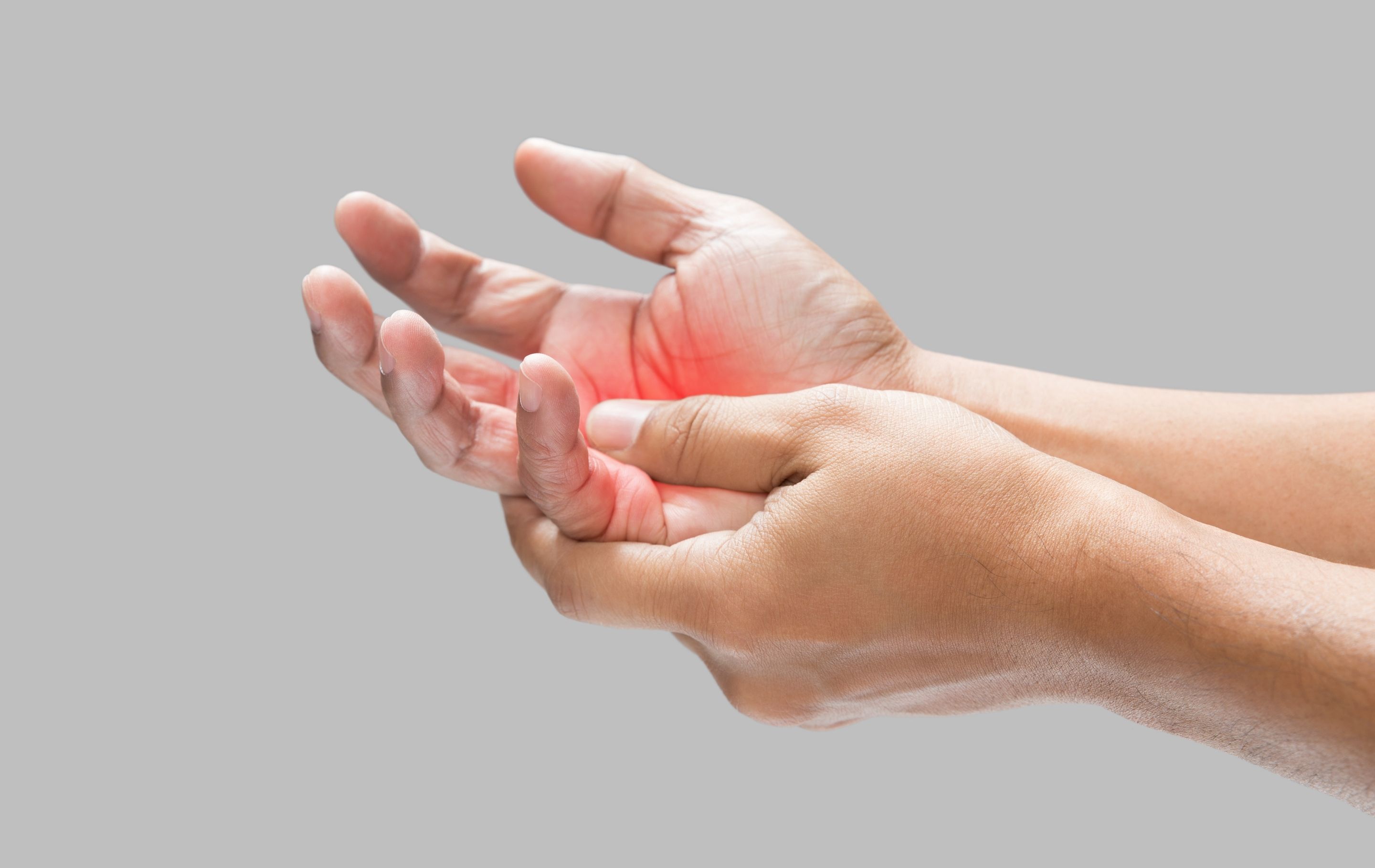
You pick up your coffee cup and realize you cannot quite feel the handle. Or you wake up at 3 a.m. shaking out your hand because your fingers feel like they belong to someone else. Numbness in the fingers is one of those symptoms that is easy to brush off, until it keeps happening and you start to worry.
The question many people ask is whether it means nerve damage. Sometimes it does, but it can also be a circulation issue, a problem in your neck, or a temporary squeeze on a nerve that settles down once you change a habit. The pattern of your numbness often says a lot about the cause. In this guide, we will walk through the most common explanations, show you which clues to watch for, and explain when it is time to get checked. If you are curious about nerve symptoms in general, our article on nerve damage symptoms gives a broader overview.
Why do fingers go numb?
Your fingers get their sensation from nerves that start in your neck, travel down your arm, and pass through your elbow and wrist before reaching your hand. They also depend on a steady flow of blood. If anything along that route is squeezed, irritated, or short on blood, the signals reaching your brain get weaker, and you feel numbness or tingling.
That means the problem is not always in your hand. A pinched nerve in the neck can show up as numb fingers, and so can reduced blood flow. Finding the right cause means looking at where the numbness is, when it happens, and what else comes with it.
Cause 1: Carpal tunnel syndrome
This is one of the best-known causes. The carpal tunnel is a narrow passage in your wrist, and the median nerve runs through it. When the space gets tight, the nerve gets compressed.
Mayo Clinic notes that carpal tunnel syndrome typically causes numbness and tingling in the thumb, index finger, middle finger, and ring finger, but not the little finger. Some people describe it as an electric shock feeling, and symptoms often wake people up at night. Mayo Clinic lists risk factors such as wrist injury, arthritis, rheumatoid arthritis, diabetes, thyroid conditions, obesity, fluid retention, and repetitive hand motions. Women are also affected more often than men.
Mayo Clinic also warns that without treatment, lasting nerve and muscle damage can occur, so do not wait indefinitely if this pattern sounds familiar.
Cause 2: A pinched nerve in the neck
Sometimes the real source is higher up. As we age, the discs and joints in the neck can wear down, a condition called cervical spondylosis. When that wear irritates the nerves leaving the spinal cord, you may feel it in your arms and hands.
According to Mayo Clinic's page on cervical spondylosis, symptoms can include neck pain and stiffness, plus tingling, numbness, or weakness in the arms and hands. A clue that your neck may be involved: the numbness changes with head and neck position, or you also have neck pain or stiffness.
Cause 3: Raynaud's phenomenon (a circulation cause)
Not all numbness comes from nerves. Blood flow plays a major role, and this is where a vascular perspective helps. In Raynaud's, the small blood vessels in the fingers temporarily narrow, usually in response to cold or stress.
Mayo Clinic describes Raynaud's disease as a condition in which fingers or toes turn white and then blue, feel cold and numb, and then turn red with a prickly, throbbing sensation as blood flow returns. An episode can last around 15 minutes after you warm up. If you also notice a sore or an infection on an affected finger, Mayo Clinic advises seeing a provider right away.
If your fingers change color, that is a strong hint to bring up with a provider. Circulation problems can show up in the hands as well as the legs, and our article on poor circulation warning signs describes what reduced blood flow can look like elsewhere in the body.
Cause 4: Peripheral neuropathy
When damage affects the peripheral nerves more broadly, the result is called peripheral neuropathy. It often begins in the feet, but it can also reach the hands, and it typically affects both sides in a similar way.
The National Institute of Neurological Disorders and Stroke identifies diabetes as the leading cause. Vitamin deficiencies, heavy alcohol use, autoimmune conditions, infections, and certain medications can also play a role. If your numbness is in both hands, creeps up slowly, and comes with burning or tingling in your feet, neuropathy moves higher on the list. You can read about the early signs in our guide to early symptoms of peripheral neuropathy.
Other everyday triggers
Before assuming the worst, consider simpler explanations. Sleeping with your arm bent under your pillow, leaning on your elbows for long periods, holding a phone in the same position, or gripping a steering wheel tightly can all compress a nerve for a while. Cold weather can also dull sensation. When numbness fades quickly after you change position or warm up, it is usually a sign of a temporary squeeze rather than lasting damage.
How to read the pattern
The details of your numbness can point you in the right direction. Use these clues as a starting point, not a diagnosis:
- Thumb through ring finger, worse at night. This fits carpal tunnel syndrome.
- Neck pain or stiffness along with arm and hand symptoms. This suggests the neck may be involved.
- Fingers turning white or blue in the cold, then red. This fits Raynaud's and is a circulation clue.
- Both hands, slowly worsening, with foot symptoms too. This points toward peripheral neuropathy.
- Only one side of the body, sudden onset. This needs emergency attention, discussed below.
When numbness is an emergency
Call 911 or go to the nearest emergency room if numbness comes on suddenly, especially on one side of the body, or if it comes with weakness, face drooping, confusion, trouble speaking, or loss of vision. These can be signs of a stroke. Mayo Clinic also lists sudden numbness or weakness, along with loss of bladder or bowel control, as an emergency in people with neck spine problems.
When to see a doctor
Schedule an appointment if your numbness keeps coming back, lasts more than a few days, is getting worse, affects your grip or coordination, wakes you at night, or comes with weakness or sores that are slow to heal. If you have diabetes, do not wait, because nerve problems can progress quietly.
Your provider will likely ask about your symptoms and medical history, check your strength and reflexes, and may order blood tests, nerve studies, or imaging to find the cause. Getting the cause right is the key to getting the right treatment.
What treatment can look like
Treatment depends on the cause. Carpal tunnel may improve with wrist splints, activity changes, or procedures. Neck-related numbness may respond to physical therapy and other measures. Raynaud's often improves by keeping the body warm and avoiding triggers. For neuropathy, the plan may include treating the underlying cause, medications for nerve pain, and lifestyle changes.
When nerve pain from neuropathy continues despite standard treatments, other options exist. Our team offers spinal cord stimulation for neuropathy, which may be worth discussing if medications have not provided enough relief. To talk with a specialist about your symptoms, reach out to our team.
Simple things you can try in the meantime
- Take breaks from repetitive hand motions, and shake out your hands every so often.
- Keep your wrists in a neutral position while typing and sleeping.
- Dress warmly in cold weather, including gloves, if your fingers change color.
- Avoid resting your elbows on hard surfaces for long periods.
- Keep blood sugar in range if you have diabetes.
Frequently asked questions
Is numbness in my fingers a sign of a heart problem?
Occasionally, numbness in the left arm along with chest pain, shortness of breath, or sweating can signal a heart attack and needs emergency care. Numb fingers on their own are far more often related to nerves or circulation.
Why do my fingers go numb at night?
Nighttime numbness is common with carpal tunnel syndrome, since many people sleep with their wrists bent. A wrist splint and a better sleeping position can sometimes help, but have the pattern checked if it continues.
Can numbness in the fingers go away on its own?
If it came from a temporary squeeze, such as an awkward sleeping position, it often resolves within minutes or hours. Numbness that returns or lingers should be evaluated.
Which specialist should I see for numb fingers?
A primary care provider is a good starting point. Depending on what they find, you may be referred to a neurologist, a hand specialist, or a vascular or pain specialist.
The bottom line
Numbness in your fingers does not always mean nerve damage, but it is your body's way of saying something is off. Pay attention to where it happens, when it happens, and what comes with it. Many causes are treatable, especially when caught early. If your symptoms are persistent, spreading, or affecting daily life, we would be glad to help you take the next step.