
Non-Surgical Treatment for Knee Pain in Texas
Many patients with knee pain are told surgery is the next step, but that’s not always the case. Our minimally invasive treatments can help reduce pain and improve function without the risks and recovery of traditional surgery.


Common Causes and Symptoms of Knee Pain
Knee pain can develop for many reasons, from wear and tear to underlying conditions that affect the joints and surrounding tissues. Understanding what’s causing your pain is the first step toward finding the right treatment, especially when trying to avoid surgery. You may be experiencing:
- Persistent or worsening knee pain
- Stiffness or reduced range of motion
- Swelling or inflammation around the joint
- Pain when walking, standing, or climbing stairs
- Clicking, popping, or instability in the knee
- Difficulty staying active or performing daily tasks
Relieve Knee Pain Without Surgery
Genicular Artery Embolization (GAE) is a minimally invasive, image-guided procedure used to treat chronic knee pain, especially in patients with osteoarthritis. It works by targeting the small arteries that contribute to inflammation in the knee, reducing pain at its source. The procedure is performed through a tiny incision, typically requires no hospital stay, and allows most patients to return to normal activities much sooner than with traditional surgery.
Non-Surgical Treatment Options for Knee Pain
If conservative treatments haven’t provided lasting relief, but you’re not ready for surgery, minimally invasive procedures may be an effective alternative. At Vascular Centers of Texas, we offer advanced, image-guided treatments that target the source of knee pain; helping reduce inflammation, improve mobility, and deliver long-term relief without the risks and recovery associated with surgery.

Where This Treatment Is Available

5901 South Hulen Street
Fort Worth, TX 76132

3385 Fannin Street Suite A
Beaumont, TX 77001

427 W 20th St #300
Houston, TX 77008

About us
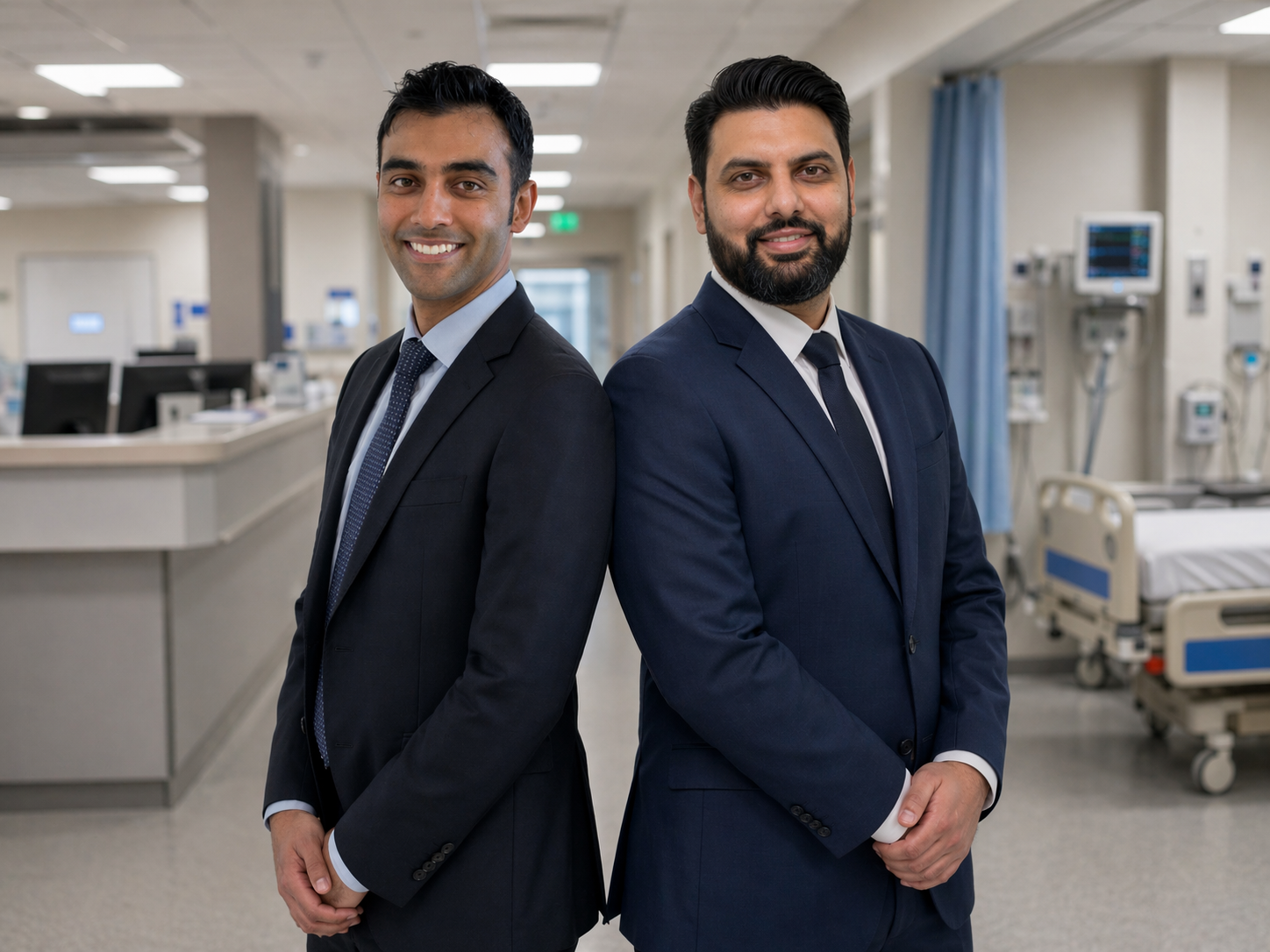
At Vascular Centers of Texas, our patients are cared for by board-certified vascular and interventional radiologists with advanced fellowship training and over a decade of hands-on experience. Dr. Pauldeep Bahra leads our Fort Worth clinic, specializing in image-guided procedures that deliver lasting relief without traditional surgery, and Dr. Amit K. Sharma, a Houston native who trained at Rice University, Texas A&M, and the University of Miami, brings that same commitment to excellence across our Beaumont and Houston locations.
Together, they share one mission: helping patients relieve pain, restore mobility, and return to the life they love.


Compare Your Treatment Options
| Feature | Genicular Artery Embolization (GAE) | Knee Replacement Surgery | Steroid Injections |
|---|---|---|---|
Minimally Invasive | Yes | No | Yes |
| Preserves Natural Joint | Yes | No | Yes |
| Recovery Time | Days | 6-12 weeks | Days |
| Hospital Stay Required | No | Yes | No |
| Targets Root Cause | Yes | No | No |
| Long-Term Relief | Yes | Yes | Temporary |
| Repeat Treatments Needed | Rare | No | Often |
Get Your Personalized Results & Next Steps
Complete the form to receive your personalized assessment. Based on your answers, our specialists will review your information and reach out to discuss your results, answer your questions, and help you take the next step toward the most appropriate treatment option for you.
Have any question?
Below are detailed answers to some of the most common questions about chronic knee pain, minimally invasive treatments, and what you can expect from procedures like Genicular Artery Embolization (GAE).
Do you accept insurance?
Yes, we accept Medicare, Medicaid, and most major commercial insurance plans. Please note that not all procedures are covered by every insurance plan. If you have any questions about coverage, our team in Fort Worth, Houston, or Beaumont will be happy to assist you.
What are the most common causes of chronic knee pain?
Chronic knee pain can develop from several underlying conditions, with osteoarthritis being the most common. Over time, the cartilage in the knee joint wears down, leading to inflammation, stiffness, and discomfort. Other causes may include past injuries, repetitive stress, meniscus damage, or ligament issues. In many patients, abnormal blood vessel growth within the knee contributes to ongoing inflammation and pain, which is why targeted treatments like GAE can be effective.
How soon can I schedule a procedure?
At Vascular Centers of Texas, we prioritize quick access to care. In most cases, procedures can be scheduled within two weeks of your initial consultation.
How does Genicular Artery Embolization (GAE) work?
GAE is a minimally invasive, image-guided procedure that targets the small arteries supplying blood to the inflamed areas of the knee. By carefully blocking this abnormal blood flow, the procedure helps reduce inflammation and pain at the source. It does not involve removing or replacing any part of the joint, making it a less invasive alternative for patients who are not ready for knee replacement surgery.