
Fibroid Symptoms & Relief in Texas
If you’re dealing with heavy bleeding, constant pressure, or frequent trips to the bathroom, you’re not alone. Many women experience these symptoms without realizing that uterine fibroids could be the cause. The good news? You don’t have to live with the discomfort or turn to major surgery to find lasting relief

Common Fibroid Symptoms Women Shouldn’t Ignore
Uterine fibroids can cause a wide range of symptoms, many of which are often mistaken as “normal” hormonal changes. If you’re experiencing persistent discomfort or changes in your body, it may be your body signaling something more. Recognizing these symptoms early can help you find the right treatment and avoid unnecessary suffering.
- Heavy or prolonged periods that interfere with your daily life or cause you to change protection frequently
- Pelvic pain or pressure that feels constant or worsens over time
- Bloating or a feeling of fullness in the lower abdomen
- Frequent urination or difficulty emptying your bladder completely
- Lower back or leg pain caused by pressure on surrounding nerves
- Pain during intercourse
- Fatigue or anemia due to excessive blood loss


When Fibroid Symptoms Start Affecting Your Daily Life
What may start as occasional discomfort can gradually turn into something that affects your entire routine. Heavy periods can make it difficult to leave the house, constant pressure can disrupt your sleep, and ongoing fatigue can drain your energy throughout the day. Many women in Texas find themselves planning their lives around these symptoms, without realizing that effective, non-surgical solutions are available. You deserve to feel in control of your body again, not limited by it.
Find Out What’s Causing Your Symptoms
You don’t have to keep guessing or managing symptoms on your own. If you’re experiencing heavy bleeding, pelvic pain, or ongoing discomfort, it may be time to get answers. Our team in Texas specializes in diagnosing and treating fibroid-related symptoms with personalized, non-surgical options designed to help you feel like yourself again. Schedule your consultation today and take the first step toward real relief.

Where This Treatment Is Available

5901 South Hulen Street
Fort Worth, TX 76132

3385 Fannin Street Suite A
Beaumont, TX 77001

427 W 20th St #300
Houston, TX 77008

About us
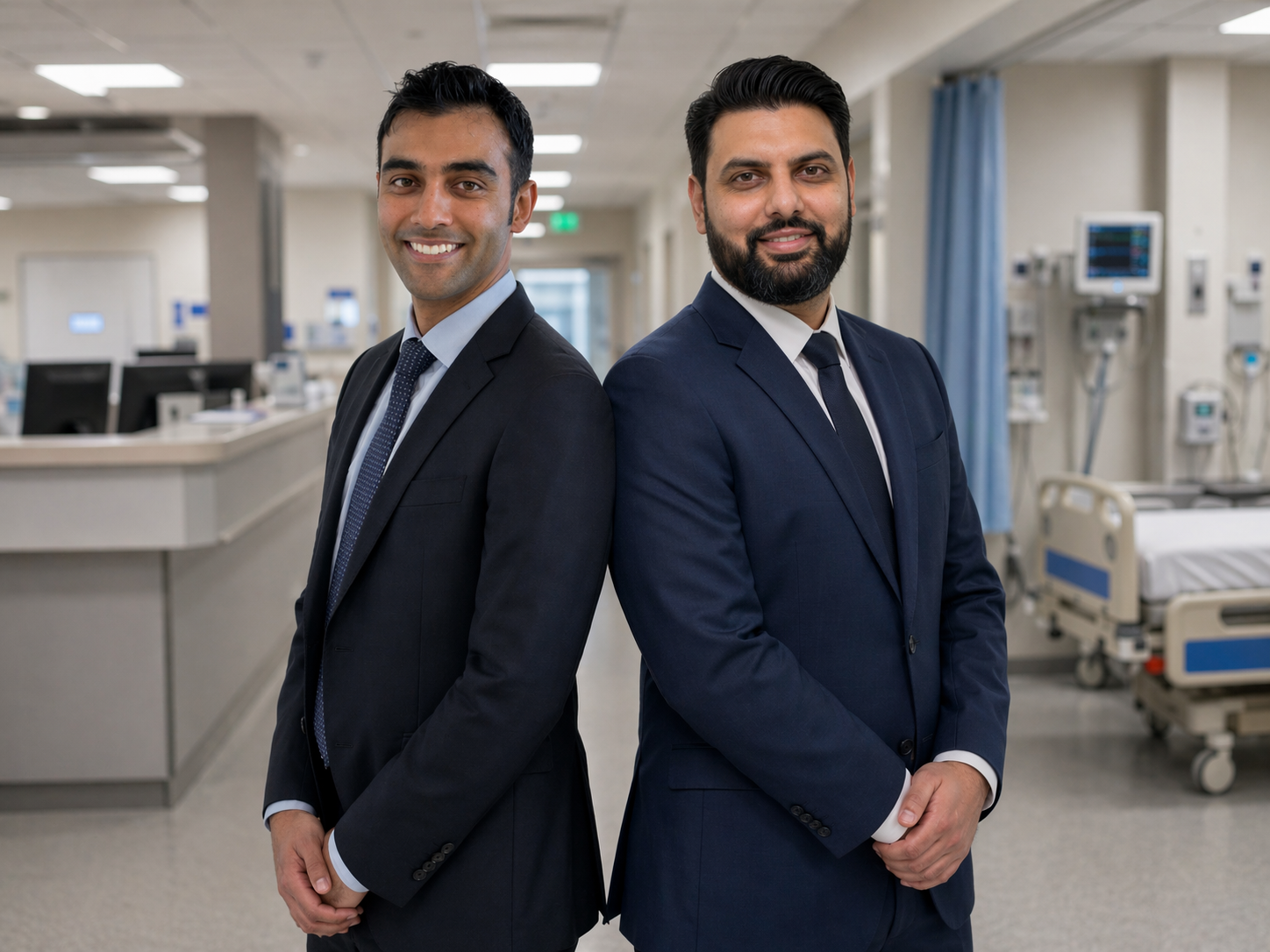
At Vascular Centers of Texas, our patients are cared for by board-certified vascular and interventional radiologists with advanced fellowship training and over a decade of hands-on experience. Dr. Pauldeep Bahra leads our Fort Worth clinic, specializing in image-guided procedures that deliver lasting relief without traditional surgery, and Dr. Amit K. Sharma, a Houston native who trained at Rice University, Texas A&M, and the University of Miami, brings that same commitment to excellence across our Beaumont and Houston locations.
Together, they share one mission: helping patients relieve pain, restore mobility, and return to the life they love.


Fibroid Treatment Options: Surgery vs. Non-Surgical Solutions
| Feature | Non-Surgical Treatment (UFE) | Traditional Surgery (Hysterectomy/Myomectomy) |
|---|---|---|
Procedure Type | Minimally invasive | Major surgery |
| Incisions | Small incision | Large abdominal incisions (in most cases) |
| Recovery Time | 1–2 weeks | 4–8 weeks |
| Hospital Stay | Usually outpatient | Often requires hospital stay |
| Uterus Preservation | Yes | Not always |
| Symptom Relief | Yes | Yes |
| Risk Level | Lower risk | Higher risk due to surgery |
| Return to Daily Life | Faster | Slower |
Get Your Personalized Results & Next Steps
Complete the form to receive your personalized assessment. Based on your answers, our specialists will review your information and reach out to discuss your results, answer your questions, and help you take the next step toward the most appropriate treatment option for you.
Have any question?
If you’re experiencing symptoms like heavy periods, pelvic pain, or bloating, it’s normal to have questions about what’s causing them and how to find relief. Here are answers to some of the most common concerns women in Texas have about fibroids and their treatment options.
What are the first signs of uterine fibroids?
The first signs of uterine fibroids can vary depending on their size, number, and location. Many women initially notice changes in their menstrual cycle, such as heavier or longer periods, passing large clots, or needing to change protection more frequently. As fibroids grow, they may also cause pelvic pressure, a feeling of fullness in the lower abdomen, or bloating that doesn’t go away. Some women experience lower back pain or fatigue, especially if heavy bleeding leads to anemia. In some cases, fibroids may not cause noticeable symptoms at first, which is why they often go undiagnosed until they begin to interfere with daily life.
Can fibroids cause frequent urination?
Yes, frequent urination is a common symptom of fibroids, especially when they grow large enough to press against the bladder. This pressure reduces the bladder’s capacity, making you feel the need to urinate more often, even if you haven’t had much to drink. Some women also experience difficulty fully emptying their bladder or feel a constant urge to go. These symptoms can be frustrating and disruptive, particularly at night, affecting sleep quality. Treating the fibroids can help relieve this pressure and significantly reduce urinary symptoms.
Do fibroids cause bloating or a swollen belly?
Fibroids can cause noticeable bloating and abdominal enlargement, particularly when they grow larger or are located toward the front of the uterus. This can create a feeling of fullness, tightness, or pressure in the lower abdomen, which is often mistaken for weight gain or digestive issues. Unlike temporary bloating caused by diet, fibroid-related bloating tends to persist and may gradually worsen over time. In some cases, the abdomen may appear visibly enlarged, similar to early pregnancy, which can be both physically uncomfortable and emotionally distressing.
Is surgery the only treatment for fibroids?
No, surgery is not the only option for treating fibroids. While procedures like hysterectomy or myomectomy are sometimes recommended, many women are now choosing minimally invasive, non-surgical treatments that effectively reduce symptoms. These options work by targeting the fibroids directly, helping them shrink and relieving pressure on surrounding organs. Non-surgical treatments typically involve less risk, shorter recovery times, and allow patients to return to their normal activities much sooner compared to traditional surgery.