
Neuropathy Pain Relief in Texas
Neuropathy can make even simple daily activities feel overwhelming. From burning sensations to numbness in your feet or legs, these symptoms can worsen over time if left untreated. Many people are now exploring safe, effective options that target nerve pain directly and help them regain control of their lives.

Common Neuropathy Symptoms You Shouldn’t Ignore
Neuropathy symptoms often start subtly but can progressively worsen. Being aware of these symptoms early can help you seek the right treatment before they become more severe.
- Burning or sharp nerve pain: A constant or intermittent burning, stabbing, or electric-like sensation, especially in the feet or legs, that can worsen at night.
- Tingling or “pins and needles” sensation: A prickling feeling that may come and go or become more persistent as nerve irritation increases.
- Numbness or reduced sensation: Loss of feeling in the hands, feet, or legs, which can make it harder to detect temperature, pain, or injuries.
- Muscle weakness: Difficulty walking, climbing stairs, or maintaining balance due to weakened nerve signals to the muscles.
- Increased sensitivity to touch: Even light contact, such as bedsheets or clothing, may feel uncomfortable or painful.
- Loss of balance or coordination: Nerve damage can interfere with your body’s ability to sense position, increasing the risk of falls.

When Neuropathy Starts Affecting Your Daily Life
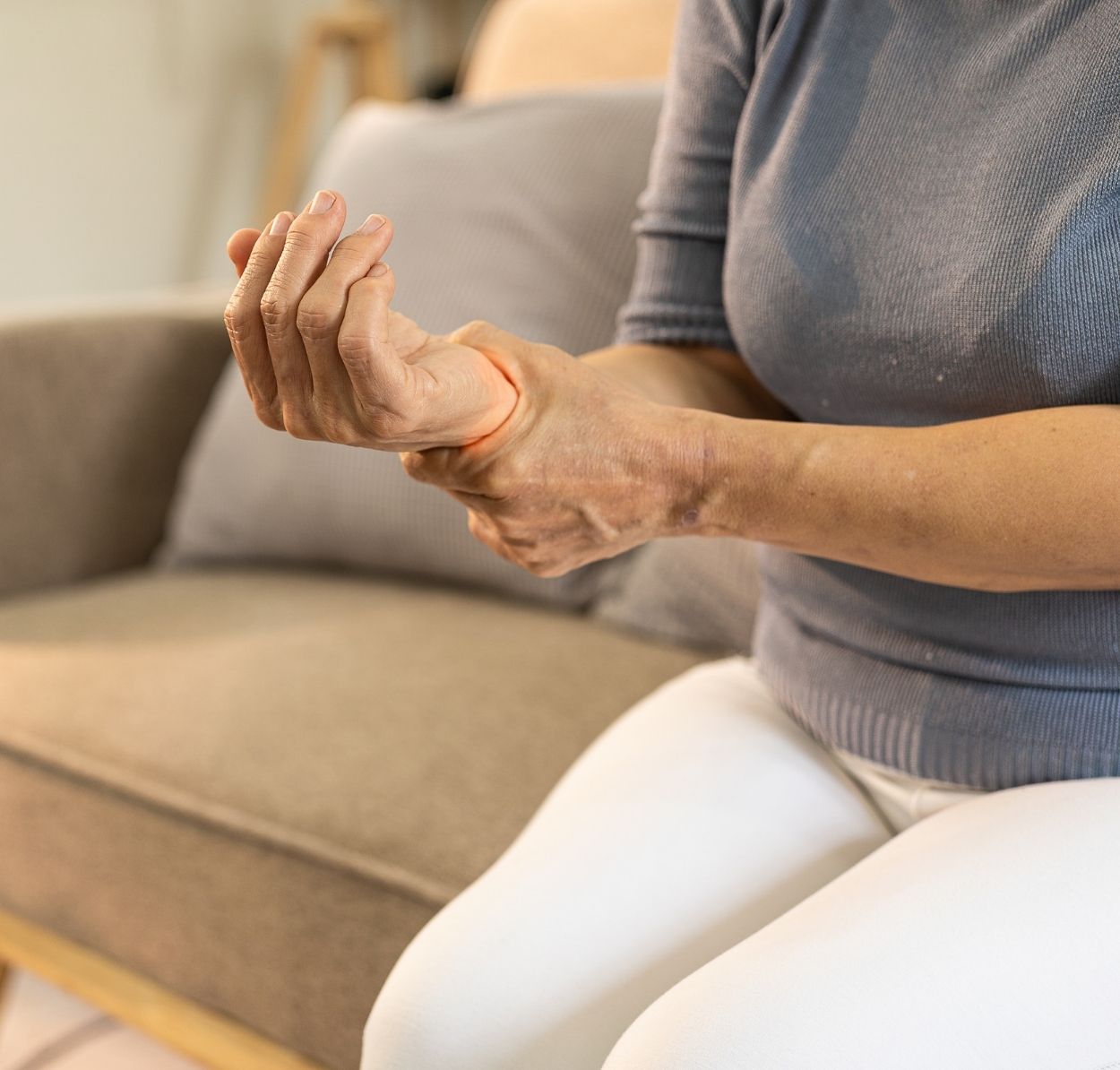
Neuropathy isn’t just uncomfortable, it can begin to interfere with nearly every part of your routine. Simple activities like walking, standing for long periods, or even sleeping through the night can become difficult. Many people find themselves avoiding movement due to pain or worrying about losing their balance. Over time, this can impact your independence, energy levels, and overall quality of life. You shouldn’t have to plan your day around discomfort, effective treatment options can help you regain control and move with confidence again.
What’s Causing Your Nerve Pain?
Neuropathy occurs when nerves are damaged or disrupted, affecting how they send signals between your brain and the rest of your body. This damage can be caused by a variety of conditions, including diabetes, poor circulation, injuries, or underlying health issues. In many cases, the symptoms are treated, but the root cause of the nerve pain is never fully addressed. Understanding what’s behind your symptoms is the first step toward finding a treatment that doesn’t just mask the pain, but actually helps improve your quality of life.

Where This Treatment Is Available

5901 South Hulen Street
Fort Worth, TX 76132

3385 Fannin Street Suite A
Beaumont, TX 77001

427 W 20th St #300
Houston, TX 77008


About us
At Vascular Centers of Texas, our patients are cared for by board-certified vascular and interventional radiologists with advanced fellowship training and over a decade of hands-on experience. Dr. Pauldeep Bahra leads our Fort Worth clinic, specializing in image-guided procedures that deliver lasting relief without traditional surgery, and Dr. Amit K. Sharma, a Houston native who trained at Rice University, Texas A&M, and the University of Miami, brings that same commitment to excellence across our Beaumont and Houston locations.
Together, they share one mission: helping patients relieve pain, restore mobility, and return to the life they love.


Neuropathy Treatment Options: Medications vs. Spinal Cord Stimulation
| Feature | Medications | Spinal Cord Stimulation |
|---|---|---|
Approach | Masks pain symptoms | Targets pain signals at the source |
| Effectiveness Over Time | May decrease or require higher doses | Designed for long-term pain management |
| Side Effects | Drowsiness, dizziness, dependency risk | Minimal compared to long-term medication use |
| Invasiveness | Non-invasive | Minimally invasive procedure |
| Customization | Limited | Adjustable to your specific pain levels |
| Trial Option | No | Yes, trial available before full treatment |
| Daily Impact | Ongoing medication use required | Potential reduction in medication use |
| Goal | Temporary symptom relief | Long-term pain control and improved quality of life |
Get Your Personalized Results & Next Steps
Complete the form to receive your personalized assessment. Based on your answers, our specialists will review your information and reach out to discuss your results, answer your questions, and help you take the next step toward the most appropriate treatment option for you.
Have any question?
Neuropathy symptoms can be confusing and frustrating, especially when they don’t improve over time. Below are answers to some of the most common questions people search for when dealing with nerve pain, burning sensations, or numbness.
What does neuropathy feel like in the feet and legs?
Neuropathy often feels like burning, tingling, numbness, or sharp, stabbing pain, most commonly in the feet and legs. Some people describe it as an electric or pins-and-needles sensation, while others feel a loss of sensation altogether. Symptoms may be worse at night and can interfere with sleep, walking, or standing for long periods.
Why are my feet burning at night?
Burning feet at night is a common symptom of peripheral neuropathy. It happens because damaged nerves send abnormal pain signals to the brain, even when there’s no clear external cause. Symptoms often feel more intense at night due to reduced distractions and changes in circulation or nerve sensitivity.
Can neuropathy go away on its own?
In some cases, mild neuropathy may improve if the underlying cause is treated early. However, many cases of neuropathy are progressive, meaning symptoms can worsen over time without proper treatment. That’s why it’s important to identify the cause and explore treatment options that can help manage or reduce nerve damage.
When should I see a doctor for nerve pain?
You should seek medical attention if your symptoms are persistent, worsening, or interfering with your daily activities. This includes constant burning, numbness, weakness, or balance issues. Early evaluation can help prevent further nerve damage and improve your chances of effective treatment.