Fiber gets talked about constantly in nutrition advice, but most people have never actually been told a specific number to aim for. If you have ever wondered whether you are getting enough, or whether that bowl of oatmeal actually makes a real difference, this guide breaks it down in plain terms.
What Exactly Is Fiber?
Fiber is a type of carbohydrate found in plant foods that your body cannot fully digest. Instead of being broken down and absorbed like other carbs, it passes through your digestive system largely intact, which is exactly what makes it so valuable. There are two main types.
Soluble fiber dissolves in water and forms a gel-like substance in your gut. It is found in foods like oats, beans, apples, and citrus fruits, and it plays a helpful role in managing cholesterol and blood sugar levels.
Insoluble fiber does not dissolve in water and instead adds bulk to stool, helping food move through your digestive tract more efficiently. Whole grains, nuts, and the skins of many fruits and vegetables are good sources.
Most fiber-rich foods contain a mix of both types, so you do not need to track them separately in everyday life. What matters most is your total daily intake.
How Much Fiber Do You Actually Need Per Day?
According to guidance summarized by Mayo Clinic, recommended daily fiber intake based on the National Academy of Medicine breaks down as follows:
- Women age 50 or younger: about 25 grams per day
- Women age 51 and older: about 21 grams per day
- Men age 50 or younger: about 38 grams per day
- Men age 51 and older: about 30 grams per day
These numbers might sound high if you are used to a typical Western diet, and that is because most people fall well short of them. Many adults get closer to 15 grams a day, which leaves a meaningful gap between what is recommended and what most of us actually eat.
Why Fiber Matters More Than You Might Think
Fiber does a lot more than just keep things moving, although that is certainly part of it.
Digestive health: Fiber adds bulk and softness to stool, which helps prevent constipation and supports regular bowel movements. According to Mayo Clinic’s overview of constipation causes, inadequate fiber intake is one of the most common and preventable contributors to constipation.
Heart health: Soluble fiber can help lower LDL, or “bad,” cholesterol, which supports overall cardiovascular health.
Blood sugar control: Fiber slows the absorption of sugar into the bloodstream, which helps prevent the sharp spikes and crashes that can come with high carbohydrate meals.
Weight management: High-fiber foods tend to be more filling for fewer calories, which naturally supports healthier portion sizes and can reduce overeating.
Lower disease risk: Adequate fiber intake has been linked to a reduced risk of colorectal cancer, diverticulitis, type 2 diabetes, and heart disease.
Preventing straining-related issues: When stool is too hard, or bowel movements require excessive straining, the pressure on the veins around the rectum increases. According to Mayo Clinic, a low-fiber diet is one of the recognized contributing factors to hemorrhoids, alongside chronic constipation and straining.
Good Sources of Fiber
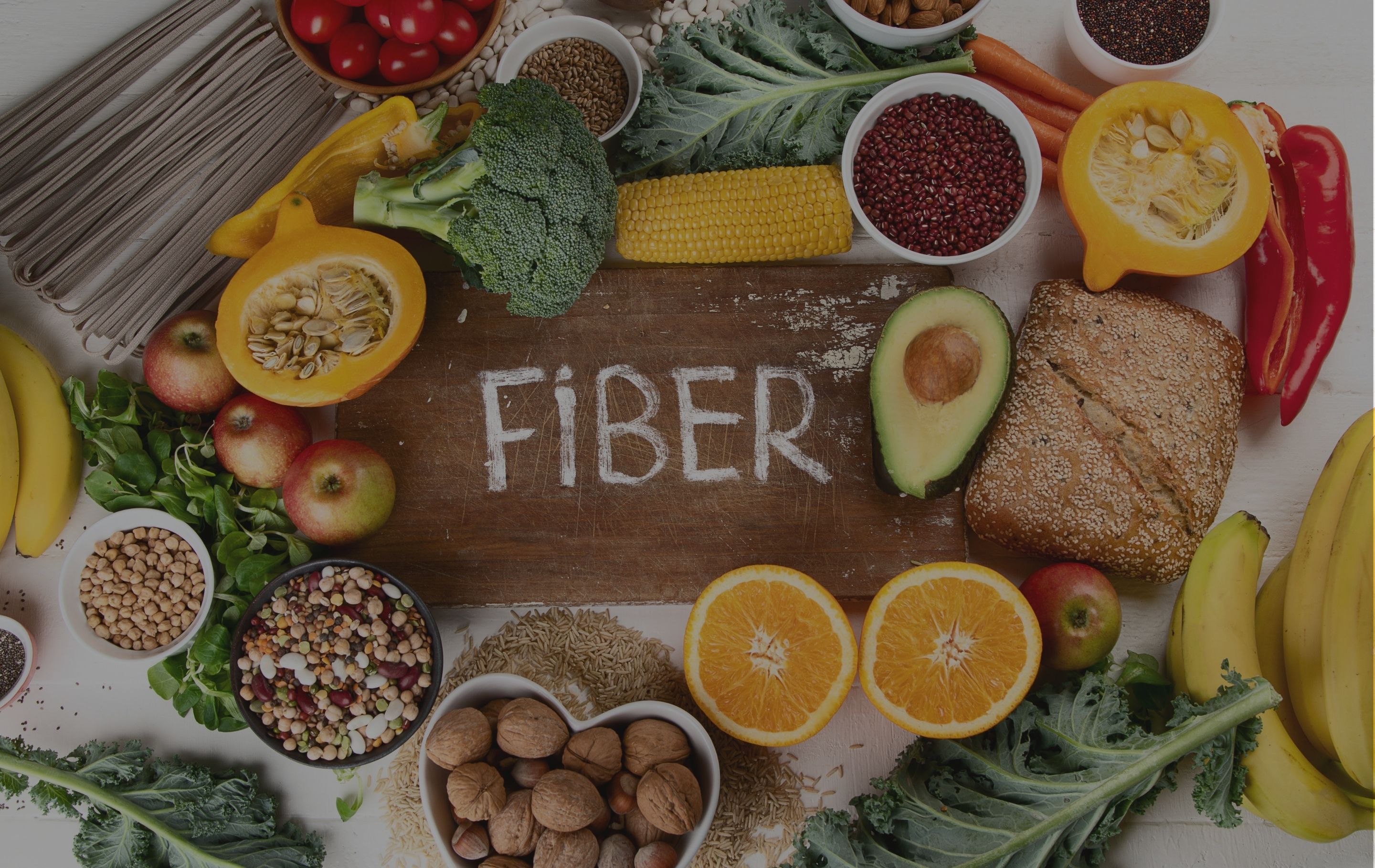
You do not need special supplements to hit your fiber goals, although they can help in certain situations. Whole, minimally processed plant foods are the best place to start.
- Legumes like lentils, black beans, and chickpeas
- Whole grains such as oats, quinoa, and brown rice
- Fruits, especially those eaten with the skin on, like apples, pears, and berries
- Vegetables including broccoli, carrots, and leafy greens
- Nuts and seeds, particularly chia and flaxseed
- Whole wheat bread and pasta instead of refined versions
We covered several of the best options in more detail in our earlier post on high fiber foods for constipation relief, which is worth a look if you want specific meal ideas.
How to Increase Your Fiber Intake Without Overdoing It
Jumping straight from 15 grams a day to 35 can actually backfire, causing bloating, gas, or cramping as your digestive system adjusts. A gradual approach works much better.
Add fiber in small steps: Increase your intake by about five grams every few days rather than overhauling your entire diet overnight.
Drink plenty of water: Fiber needs fluid to do its job properly. Without enough water, increasing fiber can actually make constipation worse rather than better.
Swap refined grains for whole grains: Choosing whole wheat bread, brown rice, or whole grain pasta instead of refined versions is one of the easiest changes to make.
Eat the skin: Many fruits and vegetables have a good portion of their fiber content in the skin, so leave it on when you can.
Add a serving of legumes to meals a few times a week: Beans and lentils are some of the most concentrated fiber sources available and are easy to add to soups, salads, and grain bowls.
A Simple Way to Picture Your Daily Fiber Goal
Numbers like 25 or 38 grams can feel abstract until you see them in the context of real meals. As a rough guide, a cup of cooked lentils has around 15 grams of fiber, a medium apple with the skin on has about 4 grams, a half cup of oats has roughly 4 grams, and a cup of broccoli contributes close to 5 grams. Stack a few of these together across breakfast, lunch, and dinner, and reaching your daily target becomes far more realistic than it might initially seem. The goal is not to hit an exact number every single day, but to build habits that consistently move you in the right direction.
Fiber’s Role Beyond Digestion
It is easy to think of fiber purely as a digestive aid, but its benefits extend well beyond that. Because fiber slows digestion and the absorption of sugar, it plays a supporting role in blood sugar management for people managing diabetes or prediabetes. It also feeds the beneficial bacteria living in your gut, which is an area of nutrition science that has grown a great deal in recent years. A healthy gut microbiome has been linked to benefits ranging from stronger immune function to improved mood, which is one more reason fiber deserves more attention than it usually gets in everyday conversations about health.
Can You Get Too Much Fiber?
Yes, although it is uncommon for most people eating a typical diet. Excess fiber, especially when increased too quickly, can lead to bloating, gas, cramping, and in some cases, a feeling of fullness that makes it hard to eat enough of other important nutrients. If you have a digestive condition, it is worth talking with your doctor before making major changes, since some conditions call for a different approach to fiber intake than the general population.
What Low Fiber Intake Can Lead To
Consistently falling short on fiber does more than just cause occasional constipation. Over time, chronic straining from hard, difficult-to-pass stools contributes to hemorrhoids, and ongoing digestive strain can worsen existing rectal conditions. If you are already dealing with hemorrhoid symptoms, reviewing treatment options alongside improving your fiber intake can address the problem from both angles, and for more persistent cases, options like hemorrhoid artery embolization offer a minimally invasive path to lasting relief when diet changes alone are not enough.
Frequently Asked Questions
Is it better to get fiber from food or supplements?
Whole foods are generally the better source because they also provide vitamins, minerals, and other beneficial compounds that supplements do not fully replicate. Supplements can be a helpful addition when dietary changes alone are not enough, but they should not be the only strategy.
How quickly will I notice a difference after increasing my fiber intake?
Many people notice more regular digestion within a few days to a couple of weeks, although individual results vary depending on your starting point and overall diet.
Does cooking food reduce its fiber content?
Cooking does not significantly reduce fiber content, though it can slightly change the texture and how quickly it is digested. Both cooked and raw fruits and vegetables count toward your daily total.
What is the easiest way to add more fiber without changing my whole diet?
Small swaps make a big difference, such as choosing whole grain bread, adding a handful of nuts to a snack, or tossing beans into a salad you already eat regularly.
Can eating more fiber help with hemorrhoids?
Yes. Adequate fiber softens stool and reduces the straining that puts pressure on the veins around the rectum, which is one of the main reasons doctors recommend increasing fiber intake for both preventing and managing hemorrhoids.
If you are dealing with ongoing digestive discomfort, hemorrhoid symptoms, or rectal bleeding along with low fiber intake, it is worth having it evaluated rather than guessing. Contact our team to discuss your symptoms and find the right treatment approach for you.