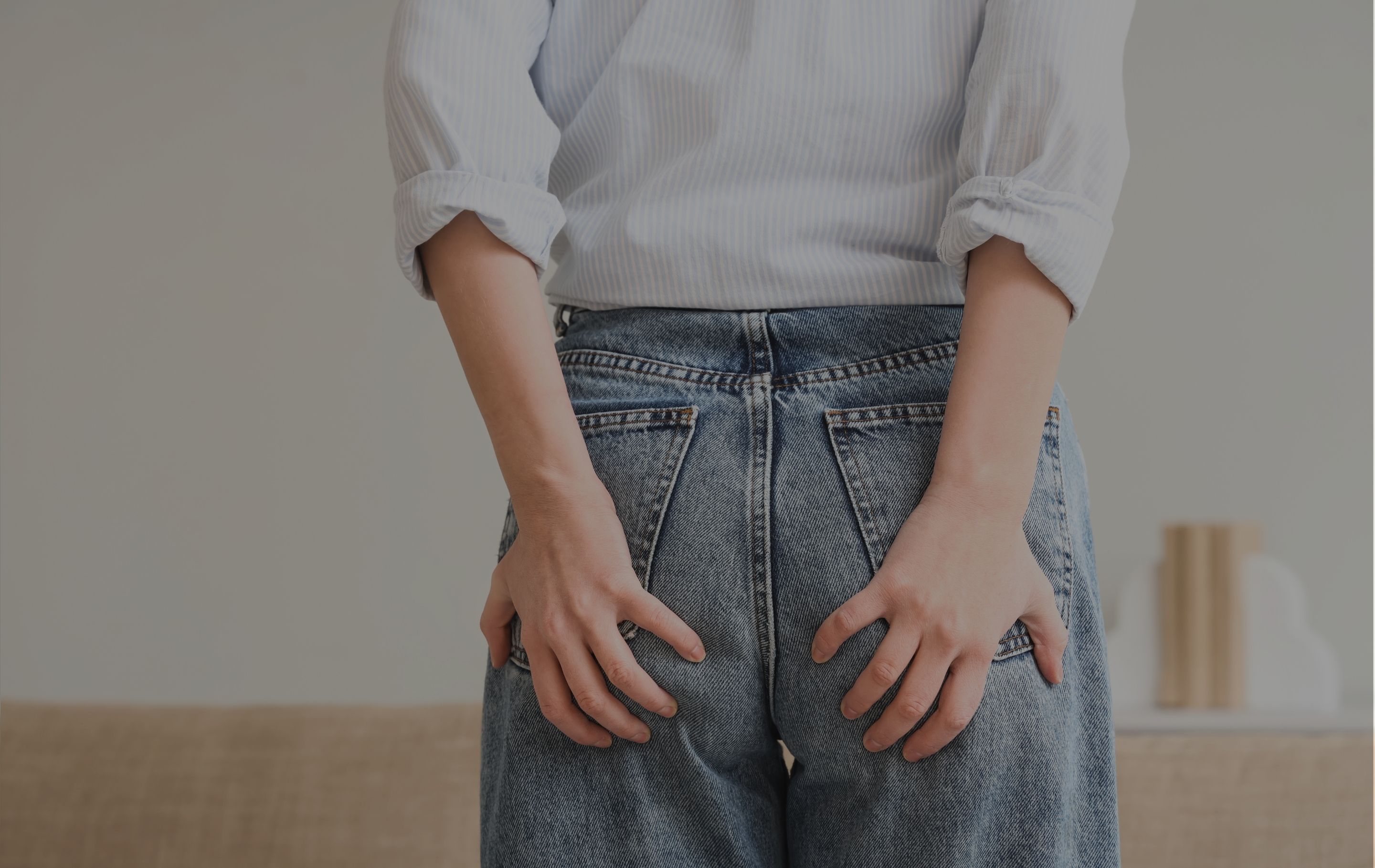
Hemorrhoids are uncomfortable enough on their own, but when one becomes thrombosed, the pain can go from mildly annoying to genuinely hard to ignore, sometimes within just a day or two. If you are dealing with sudden, sharp discomfort and are not sure what is going on, here is what you need to know about thrombosed hemorrhoids and how they are treated.
What Is a Thrombosed Hemorrhoid?
Hemorrhoids are swollen veins in and around the anus and lower rectum, and nearly everyone develops them at some point in life. A hemorrhoid becomes thrombosed when a blood clot forms inside it, which can only happen with external hemorrhoids, the ones located just outside the anal opening under the skin. According to Cleveland Clinic, this clot forms when blood pools inside the swollen vein, and the result is swelling, inflammation, and pain that tends to be far more sudden and severe than typical hemorrhoid discomfort.
What Does a Thrombosed Hemorrhoid Feel Like?
The hallmark symptom is pain that comes on quickly and intensely, often described as a firm, tender lump right at the edge of the anus. This painful mass can appear suddenly and tends to get worse over the first forty eight hours before gradually starting to ease. Other common signs include:
- A hard, swollen lump that may feel tender to the touch
- Bluish, purple, or dark discoloration of the skin over the clot
- Itching or irritation around the area
- Bleeding if the thrombosed hemorrhoid ruptures on its own
- Difficulty sitting comfortably due to pain and pressure
Unlike internal hemorrhoids, which are frequently painless, thrombosed hemorrhoids are almost always painful, which is exactly what tends to send people looking for answers quickly.
What Causes Thrombosed Hemorrhoids?
Thrombosed hemorrhoids develop from the same underlying pressure that causes hemorrhoids in general, but something triggers a clot to form within an existing external hemorrhoid. Common contributing factors include:
Straining during bowel movements: This is one of the most frequent triggers, often related to constipation or a low-fiber diet that makes stool harder to pass.
Prolonged sitting: Spending extended periods sitting, especially on the toilet, increases pressure on the veins around the anus.
Pregnancy and childbirth: Increased pelvic pressure during pregnancy, along with the strain of childbirth, raises the risk of hemorrhoids becoming thrombosed.
Heavy lifting: Repeated straining from lifting heavy objects can increase pressure in the same way that straining during a bowel movement does.
Chronic diarrhea or constipation: Both extremes of bowel habits can irritate and aggravate existing hemorrhoids.
Obesity: Extra body weight adds ongoing pressure to the pelvic and rectal area.
According to Mayo Clinic, age also plays a role, since the tissue supporting the veins in the rectum and anus can weaken and stretch over time, making hemorrhoids, and by extension thrombosed hemorrhoids, more common later in life.
Internal vs External Hemorrhoids: A Quick Refresher
It helps to understand the difference between the two main types, since only one can become thrombosed. Internal hemorrhoids form inside the rectum and are usually painless, though they can cause bleeding or prolapse through the anal opening. External hemorrhoids develop under the skin around the anus, and because that area has far more pain-sensing nerve endings, external hemorrhoids are the ones capable of becoming thrombosed and causing the sharp, sudden pain described above. If you have had painless bleeding in the past without much discomfort, that was likely an internal hemorrhoid. The sudden, intense pain of a thrombosed hemorrhoid is a distinctly different experience.
How Long Does a Thrombosed Hemorrhoid Last?
Without treatment, the pain from a thrombosed hemorrhoid is typically most intense during the first two to three days and then gradually improves over the following one to two weeks as the clot is slowly reabsorbed by the body. The hemorrhoid itself, or a small skin tag where it used to be, can sometimes remain even after the pain resolves. Because the discomfort is worst early on, this is also the window where treatment can make the most difference in how much pain you experience.
When to See a Doctor
While many thrombosed hemorrhoids can be managed at home, certain situations call for medical attention. See a doctor if pain is severe or not improving, if there is significant bleeding, if you notice signs of infection such as fever or pus, or if this is your first experience with symptoms like this, since it is worth confirming the diagnosis rather than assuming. Anytime rectal bleeding is new or heavier than expected, it is worth getting checked, since several conditions can cause rectal bleeding and it is better to rule out anything more serious rather than assume it is related to a hemorrhoid.
Home Treatment Options
For milder cases, or while waiting to see a doctor, several home measures can ease discomfort.
Sitz baths: Soaking the area in warm water for ten to fifteen minutes several times a day can relax the muscles and ease pain.
Ice packs: Applying a cold compress for short periods can help reduce swelling, especially in the first day or two.
Over-the-counter treatments: Topical creams and suppositories designed for hemorrhoids can reduce itching and discomfort, and oral pain relievers can help with more significant pain.
Increasing fiber and fluids: Softer stool means less straining, which both eases current symptoms and helps prevent new hemorrhoids from forming or existing ones from worsening.
Avoiding prolonged sitting: Taking breaks from sitting, especially on hard surfaces, reduces ongoing pressure on the area.
Medical Treatment Options
When home care is not enough, or when pain is severe, medical treatment can provide much faster relief.
Clot removal: If you see a doctor within the first seventy-two hours or so of symptoms starting, a quick in-office procedure to remove the clot can provide dramatic and fairly immediate pain relief. Beyond that window, the benefit of this procedure decreases since the clot has often already begun to resolve on its own.
Rubber band ligation or sclerotherapy: These minor procedures are often used for recurring hemorrhoid issues once the acute thrombosis has settled down.
Hemorrhoidectomy: For severe, large, or recurring thrombosed hemorrhoids, surgical removal may be recommended.
Hemorrhoid artery embolization: For patients dealing with persistent or recurring hemorrhoid problems who want to avoid traditional surgery, hemorrhoid artery embolization offers a minimally invasive option at Vascular Center of Texas. It works by reducing blood flow to the affected veins, which helps shrink hemorrhoids and relieve symptoms with a much easier recovery than surgical removal. We covered the full range of options in more detail in our post on hemorrhoid treatment options.
Preventing Future Thrombosed Hemorrhoids
Once you have experienced a thrombosed hemorrhoid, preventing another one becomes a priority for most people. Staying well hydrated, eating enough fiber, avoiding prolonged sitting, not straining during bowel movements, and staying physically active all reduce the pressure that leads to hemorrhoid flare-ups. If hemorrhoids have been a recurring issue for you, it may be worth having a longer conversation with your doctor about more permanent treatment options rather than continuing to manage each flare-up individually.
Frequently Asked Questions
Do thrombosed hemorrhoids need to be removed?
Not always. Many resolve on their own within one to two weeks with home care. Removal is generally considered when pain is severe or when the hemorrhoid is caught within the first few days of symptoms starting, since that is when clot removal offers the most benefit.
Can a thrombosed hemorrhoid burst on its own?
Yes, this can happen, and it usually causes a small amount of bleeding followed by relief of pressure and pain. It is still worth having it checked afterward to make sure the area is healing properly.
Is a thrombosed hemorrhoid the same as a regular hemorrhoid?
Not quite. A thrombosed hemorrhoid is an external hemorrhoid that has developed a blood clot inside it, which is why it tends to be considerably more painful than typical hemorrhoid symptoms.
Will a thrombosed hemorrhoid come back after it heals?
It can, particularly if the underlying contributing factors, like a low-fiber diet or chronic constipation, are not addressed. Making lasting changes to diet and bathroom habits significantly lowers the chances of a repeat episode.
Is it safe to try to pop or drain a thrombosed hemorrhoid at home?
No. Attempting to drain or pop it yourself can lead to infection, excessive bleeding, or delayed healing. If clot removal is needed, it should be done by a medical professional using sterile technique.
If you are dealing with sudden, severe hemorrhoid pain, you do not have to just wait it out. Contact our team to talk through your symptoms and find the treatment option that will get you comfortable again the fastest.