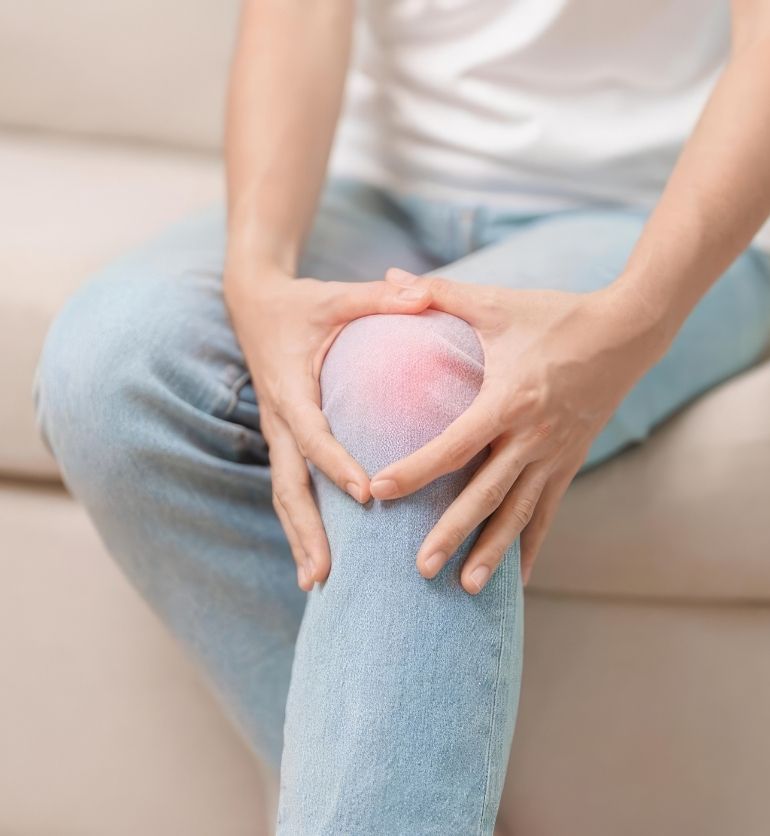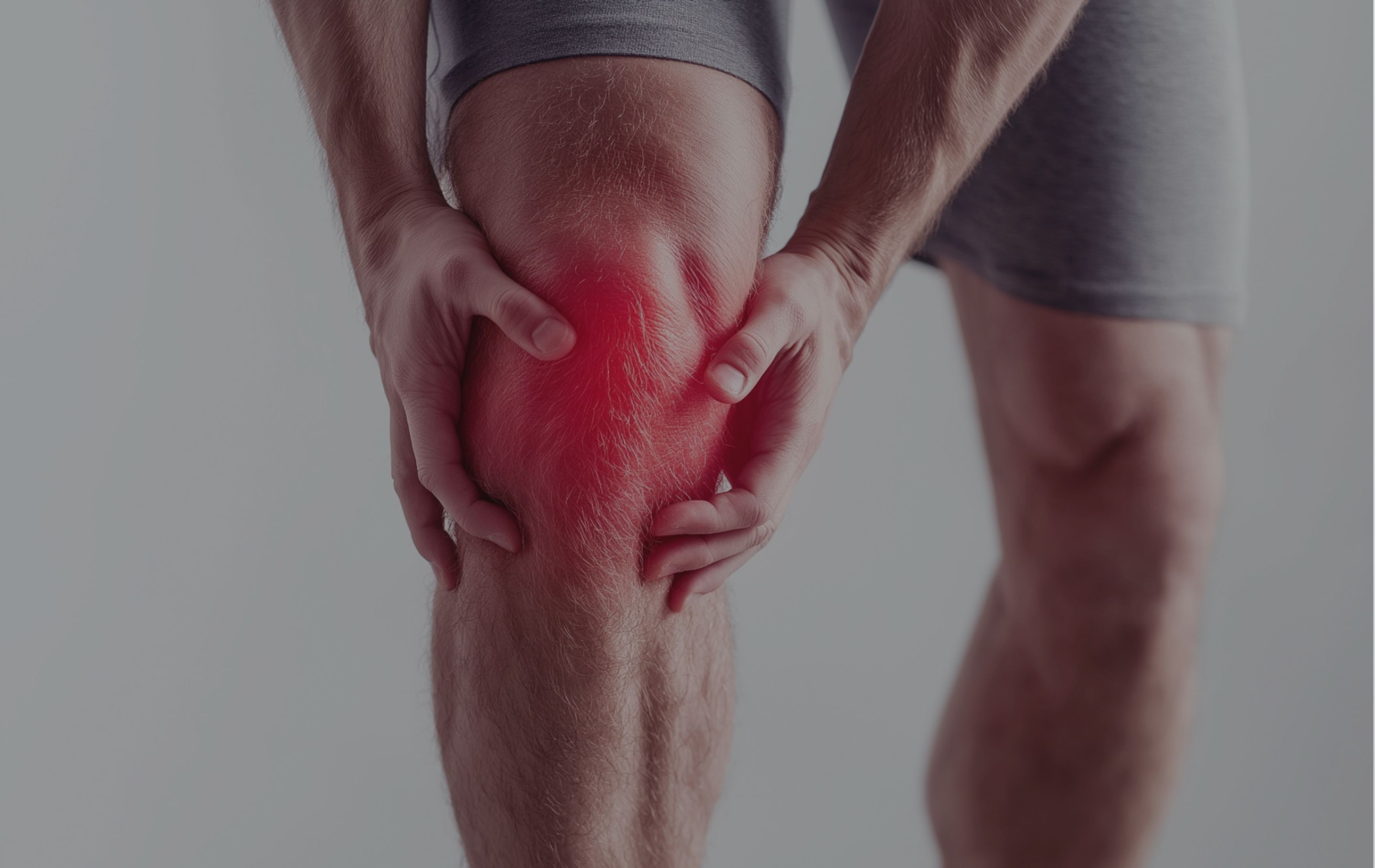
Knee pain rarely shows up in the same spot for everyone, and where it hurts can actually tell you a lot about what is going on underneath. If your discomfort is centered on the inside of your knee, closer to where your legs would touch if you stood with your feet together, you are dealing with what doctors call medial knee pain. It has its own set of common causes, and knowing what they are can help you understand your next steps.
A Quick Look at the Inside of the Knee
The knee is made up of several structures working together: bones, cartilage, ligaments, and tendons. The inside, or medial, side of the knee includes the medial meniscus, a C-shaped piece of cartilage that cushions the joint, along with the medial collateral ligament, or MCL, which helps stabilize the knee from side to side. There is also a group of tendons called the pes anserine that attach along the inner knee.
Because so much is packed into this one area, pain on the inside of the knee can come from a few different sources, and it is not always obvious which one is to blame without a closer look. If you want a broader overview of knee pain in general first, our earlier post on the common causes of knee pain is a good place to start. Here, we are zooming in specifically on pain located toward the inside of the joint.
Common Causes of Inside Knee Pain
Medial meniscus tears: This is one of the most frequent culprits. According to Mayo Clinic, a torn meniscus can cause a popping sensation at the moment of injury, followed by swelling, stiffness, and pain that often worsens when twisting or rotating the knee. Some people can still walk on a torn meniscus, which is part of why it sometimes goes untreated for longer than it should.
MCL sprains or tears: The medial collateral ligament can stretch or tear when the knee is forced sideways, which commonly happens during sports that involve sudden direction changes or contact to the outside of the leg. This usually causes pain and tenderness right along the inner knee, sometimes with a feeling of instability.
Osteoarthritis: Wear and tear on the cartilage inside the knee joint is extremely common, especially after age 50. According to Mayo Clinic, osteoarthritis is one of the most frequent causes of ongoing knee pain overall, and when the medial compartment of the knee wears down more than the outer side, which happens often, pain tends to concentrate on the inside of the joint.
Pes anserine bursitis: Repetitive activity, especially running or cycling, can inflame the small fluid-filled sac cushioning the tendons on the inner knee, leading to a dull, persistent ache just below the joint line.
Referred pain from the hip: In some cases, hip conditions can cause pain that is felt at the inside of the knee, even though the knee joint itself is healthy. This is why a thorough evaluation sometimes looks beyond the knee itself.
Who Is Most Likely to Develop Inside Knee Pain?
Certain factors make medial knee pain more likely to show up. Athletes who play sports involving pivoting, cutting, or sudden stops, like soccer, basketball, or tennis, are at higher risk for meniscus and MCL injuries. People carrying extra body weight put additional stress on the knee joint with every step, which accelerates wear on the cartilage. Age plays a role too, since cartilage naturally thins over the decades, and a previous knee injury, even one that healed years ago, can leave the joint more vulnerable to problems down the line. Runners and cyclists who ramp up mileage too quickly are also more prone to pes anserine bursitis.
Symptoms That Often Come With Inside Knee Pain
Along with pain, people dealing with medial knee issues frequently notice:
- Swelling around the joint
- Stiffness, especially first thing in the morning or after sitting for a while
- A clicking, popping, or locking sensation
- Difficulty fully straightening or bending the knee
- A feeling that the knee might “give way” under weight
When Inside Knee Pain Signals Something Serious
Most causes of medial knee pain are very treatable, but certain signs deserve prompt medical attention. Seek care quickly if your knee is significantly swollen, if you cannot bear weight on it at all, if the joint looks visibly deformed, or if pain came on suddenly after a twisting injury or fall. These can point to a more significant tear, fracture, or ligament injury that benefits from early treatment.
How Doctors Diagnose the Cause
A knee exam usually starts with a conversation about how and when the pain started, along with a physical exam that checks range of motion, stability, and tenderness at specific points around the joint. From there, imaging like an X-ray can rule out arthritis or fractures, while an MRI gives a detailed look at soft tissue structures like the meniscus and ligaments when a tear is suspected. This combination usually gives a clear picture of exactly what is causing the pain, which shapes the right treatment plan.
Treatment Options for Inside Knee Pain
Treatment depends heavily on the underlying cause, but most plans start conservatively before moving to more involved options.
Rest, ice, and activity changes: For mild sprains, bursitis, or minor meniscus irritation, reducing activities that aggravate the knee, applying ice, and giving the joint time to heal often makes a real difference.
Physical therapy: Strengthening the muscles that support the knee, particularly the quadriceps and hamstrings, helps take pressure off the joint itself and can meaningfully reduce pain over time.
Medications and injections: According to Mayo Clinic, options range from over-the-counter pain relievers to corticosteroid injections that calm inflammation during arthritis flares, as well as hyaluronic acid injections that can improve joint mobility for months at a time.
Bracing: A knee brace can offer extra support and stability, especially for MCL injuries or when arthritis has made the joint feel less secure.
Minimally invasive treatment for arthritis-related pain: For patients dealing with ongoing knee pain from osteoarthritis who want to avoid or delay knee replacement, we offer genicular artery embolization at Vascular Center of Texas. This targeted, minimally invasive procedure reduces the abnormal blood flow that contributes to knee inflammation and pain, giving many patients significant relief with a much shorter recovery than surgery.
Surgery: When conservative treatments do not resolve the problem, options like arthroscopic repair or knee replacement may be recommended, particularly for larger meniscus tears or advanced arthritis.
What to Expect During Recovery
Recovery timelines vary quite a bit depending on the cause. A mild MCL sprain often improves within two to four weeks with rest and bracing, while a more significant tear can take six to eight weeks or longer to heal properly. Pes anserine bursitis typically responds to rest and anti-inflammatory measures within a few weeks, as long as the aggravating activity is scaled back in the meantime. Osteoarthritis, on the other hand, is a long-term condition rather than something that resolves on a set timeline, which is why ongoing management, rather than a single fix, tends to work best. Whatever the cause, sticking with your physical therapy exercises even after the pain improves helps prevent the same issue from coming back.
Everyday Habits That Support Healthy Knees
- Maintain a healthy weight to reduce pressure on the joint
- Warm up before exercise and stretch the muscles around the knee regularly
- Choose supportive, well-fitted shoes
- Avoid sudden increases in activity level or workout intensity
- Strengthen your hips and core, since strength imbalances elsewhere can put extra strain on the knee
Frequently Asked Questions
Can inside knee pain go away on its own?
Mild cases, like a minor bursitis flare or a small ligament sprain, sometimes improve with rest and home care. Persistent or worsening pain usually benefits from a proper evaluation so the exact cause can be treated directly.
Is inside knee pain always caused by an injury?
No. While injuries like meniscus tears or MCL sprains are common causes, ongoing conditions such as osteoarthritis or pes anserine bursitis can develop gradually without any single injury.
Do I need surgery for a torn meniscus?
Not always. Many meniscus tears, especially smaller ones, respond well to physical therapy and activity modification. Surgery is generally reserved for larger tears or cases where symptoms do not improve with conservative treatment.
How long does it take for inside knee pain to heal?
It depends on the cause. A mild sprain might improve within a few weeks, while arthritis-related pain is typically managed long-term rather than “healed” outright. Your provider can give you a more specific timeline once your cause is identified.
What is the difference between knee pain from arthritis and from a meniscus tear?
Arthritis pain tends to build gradually over months or years and is often worse with prolonged activity or first thing in the morning. Meniscus tears more often start with a specific incident, such as a twist or pivot, followed by swelling that develops within a day. Imaging is usually needed to tell the two apart with confidence, since their symptoms can overlap.
If pain on the inside of your knee is limiting what you can do, our team is here to help pinpoint the cause and walk you through every treatment option available, from conservative care to minimally invasive procedures designed to help you avoid unnecessary surgery.