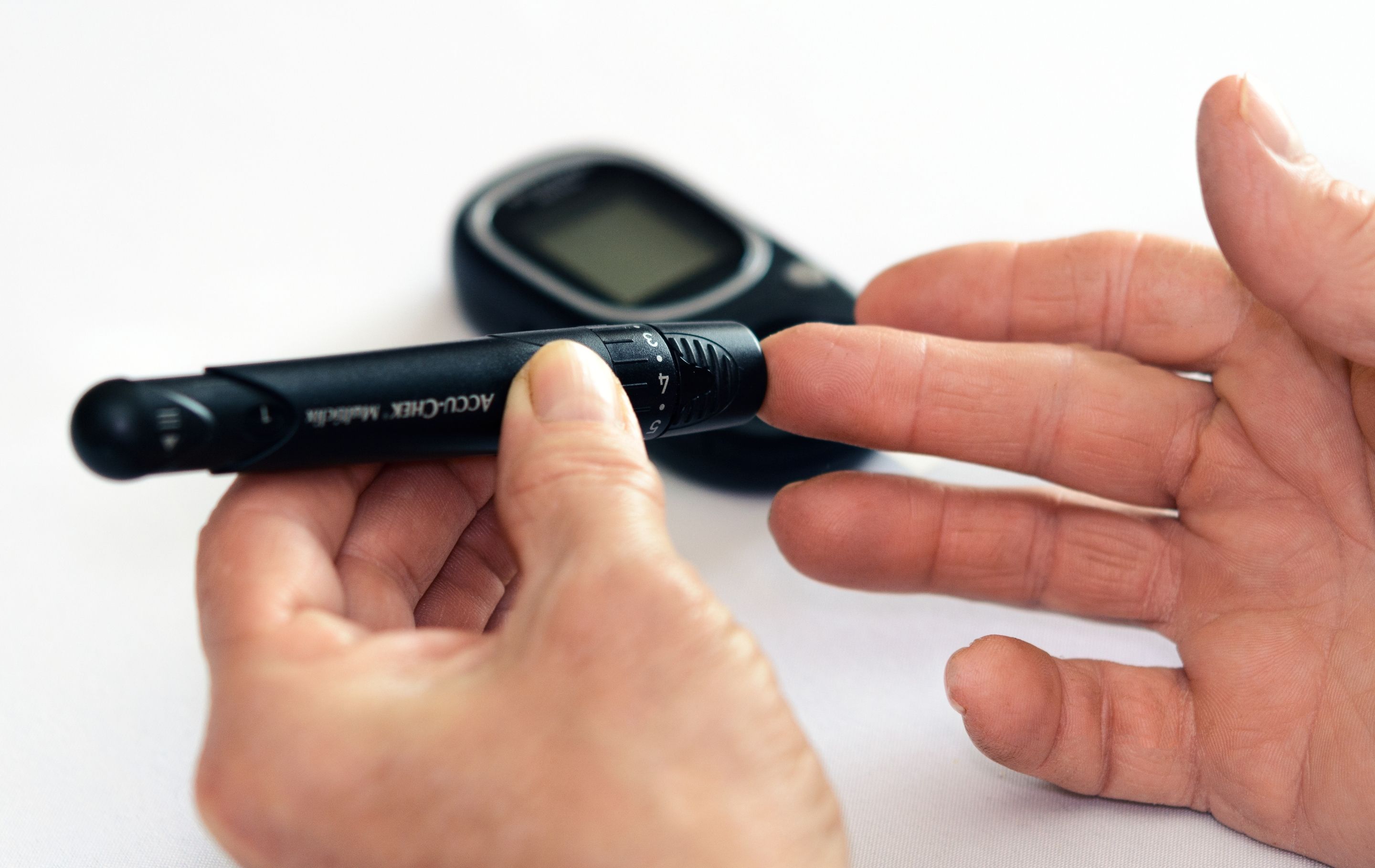
If you have diabetes and your doctor has started asking more questions about your feet, checking your sensation with a small monofilament, or bringing up nerve health at your checkups, there is a clear reason why. Diabetes and neuropathy are closely linked, and understanding that connection is one of the most useful things you can do to protect your long-term nerve health.
It can feel like a lot to keep track of alongside everything else that comes with managing diabetes day to day. But the relationship between blood sugar and nerve health is well understood at this point, and that understanding translates into real, practical steps you can take, starting with knowing what is actually happening inside your body when nerve damage develops.
Just How Common Is Diabetic Neuropathy?
Diabetes is the single leading cause of peripheral neuropathy in the United States, according to the National Institute of Neurological Disorders and Stroke. Nerve damage does not affect every person with diabetes, and it is not an inevitable outcome, but it is common enough that most diabetes care plans include some form of regular nerve health monitoring specifically because of how frequently the two conditions occur together.
How High Blood Sugar Actually Damages Nerves
Nerves depend on a steady, healthy supply of blood to function properly. According to Mayo Clinic, prolonged high blood sugar injures the walls of small blood vessels, including the tiny vessels that nourish peripheral nerves. Over time, this reduced blood supply damages the nerves themselves, disrupting their ability to send and receive signals properly. High blood sugar also directly affects nerve fibers through chemical changes inside the cells, adding a second mechanism of damage on top of the vascular one.
This combination, vascular damage plus direct nerve injury, is part of why diabetic neuropathy tends to develop gradually and why the feet, which rely on the longest nerves in the body, are so often affected first and most severely.
The Different Types of Diabetic Neuropathy
Diabetic neuropathy is not one single condition. It can affect different types of nerves in different patterns.
Peripheral neuropathy is the most common type, affecting the feet and legs first, and sometimes eventually the hands. It typically causes numbness, tingling, burning, or pain that follows a symmetric pattern on both sides of the body.
Autonomic neuropathy affects the nerves controlling involuntary body functions, including digestion, heart rate, blood pressure, and bladder control. Symptoms can include digestive changes, dizziness upon standing, or bladder problems.
Proximal neuropathy, sometimes called diabetic amyotrophy, is less common and typically affects the hip, thigh, or buttock on one side, causing pain and weakness that can make standing up difficult.
Focal neuropathy involves sudden weakness or pain in a single nerve or nerve group, often in the wrist, hand, or a specific area of the leg, and tends to improve over weeks to months on its own.
Why the Feet Take the Brunt of It
Peripheral neuropathy from diabetes almost always starts in the toes and gradually moves upward, sometimes eventually reaching the hands in what is often called a stocking and glove pattern. This happens because the nerves reaching the feet are the longest in the body, and longer nerves are simply more vulnerable to the slow, cumulative vascular damage that high blood sugar causes over time. We covered the specific warning signs to watch for in diabetic feet in more detail in an earlier post, since catching changes early matters enormously for preventing more serious complications like ulcers.
What Increases the Risk
Not everyone with diabetes develops neuropathy to the same degree, and a few factors clearly raise the odds. Longer duration of diabetes is one of the strongest predictors, since nerve damage accumulates gradually over years. Blood sugar that has been poorly controlled over time significantly increases risk compared to blood sugar that has stayed closer to target range. Other contributing factors include high blood pressure, high cholesterol, being overweight, smoking, and excessive alcohol use, all of which add additional strain to the same blood vessels already being affected by high blood sugar.
The Connection to Circulation
Nerve damage rarely travels alone in diabetes. High blood sugar affects larger blood vessels as well as the small ones feeding the nerves, which means many people dealing with diabetic neuropathy are also dealing with reduced circulation in their legs and feet at the same time. According to the American Diabetes Association, this combination of nerve damage and poor circulation is exactly what makes foot complications so much more likely in people with diabetes, since reduced sensation means an injury can go unnoticed, while reduced blood flow means it heals more slowly once it is found. Addressing both issues together, rather than focusing on nerve symptoms alone, tends to produce the best long-term outcomes.
Can Diabetic Neuropathy Be Prevented?
Prevention is not guaranteed, but it is genuinely possible to lower your risk significantly. Consistent blood sugar management is the single most impactful step, since it directly addresses the root mechanism causing nerve damage. Managing blood pressure and cholesterol, maintaining a healthy weight, staying physically active, avoiding smoking, and limiting alcohol all support healthier blood vessels and, by extension, healthier nerves. Regular foot exams, even before any symptoms appear, allow early changes to be caught before they progress.
Recognizing the Early Signs
Catching diabetic neuropathy early gives you the most options for slowing its progression. Early signs often include mild tingling or numbness in the toes, a sensation that feet feel different than they used to, or occasional burning discomfort, especially at night. As it progresses, numbness can become significant enough that minor injuries go unnoticed, which is exactly why routine foot checks matter so much for anyone managing diabetes.
Treatment Options
Treatment for diabetic neuropathy works best when it addresses both the nerve symptoms themselves and the blood sugar management driving the damage. Tighter blood sugar control can slow or, in earlier stages, even partially improve nerve function. Medications such as gabapentin or duloxetine are commonly used to manage nerve pain directly. For patients with chronic nerve pain that has not responded well to medication, spinal cord stimulation offers a minimally invasive option that can provide meaningful, lasting relief by interrupting pain signals before they reach the brain. Circulation also plays an important supporting role, and for patients with reduced blood flow in the legs alongside neuropathy, treating the underlying peripheral artery disease can improve both circulation and related symptoms.
Living Well With Diabetic Neuropathy
A diagnosis of diabetic neuropathy is not the end of the story. Many people manage it successfully for years with a combination of blood sugar control, appropriate treatment for nerve symptoms, and consistent foot care. Daily foot checks, properly fitted shoes, and prompt attention to any new wound or change in sensation all go a long way toward preventing the more serious complications that neuropathy can otherwise lead to. Working closely with your care team, rather than managing symptoms in isolation, also makes a meaningful difference, since blood sugar management, nerve symptom treatment, and circulation care all tend to work best when they are coordinated together rather than addressed one at a time.
Frequently Asked Questions
Does every person with diabetes eventually develop neuropathy?
No. Neuropathy is common but not universal, and good blood sugar management significantly reduces the risk and can slow progression in people who do develop it.
Can diabetic neuropathy be reversed?
It is usually managed rather than fully reversed, especially in more advanced cases, but improving blood sugar control can sometimes lead to noticeable improvement, particularly when caught early.
How is diabetic neuropathy different from other types of neuropathy?
The underlying mechanism, damage from prolonged high blood sugar affecting both blood vessels and nerve fibers directly, is specific to diabetes, but the resulting symptoms often look similar to neuropathy from other causes, which is why blood sugar is always checked as part of any neuropathy evaluation.
How often should someone with diabetes have their nerve function checked?
Most diabetes care guidelines recommend a comprehensive foot and nerve check at least once a year, with more frequent checks if neuropathy has already been diagnosed or if you have other risk factors.
Does type 1 or type 2 diabetes carry a higher risk of neuropathy?
Both types carry a real risk, and the primary driver in either case is how long you have had diabetes and how well blood sugar has been controlled over that time, rather than which type of diabetes you have.
If you have diabetes and have noticed any new tingling, numbness, or changes in your feet, it is worth having your nerve health evaluated. Contact our team so we can help protect your long-term nerve and circulation health.