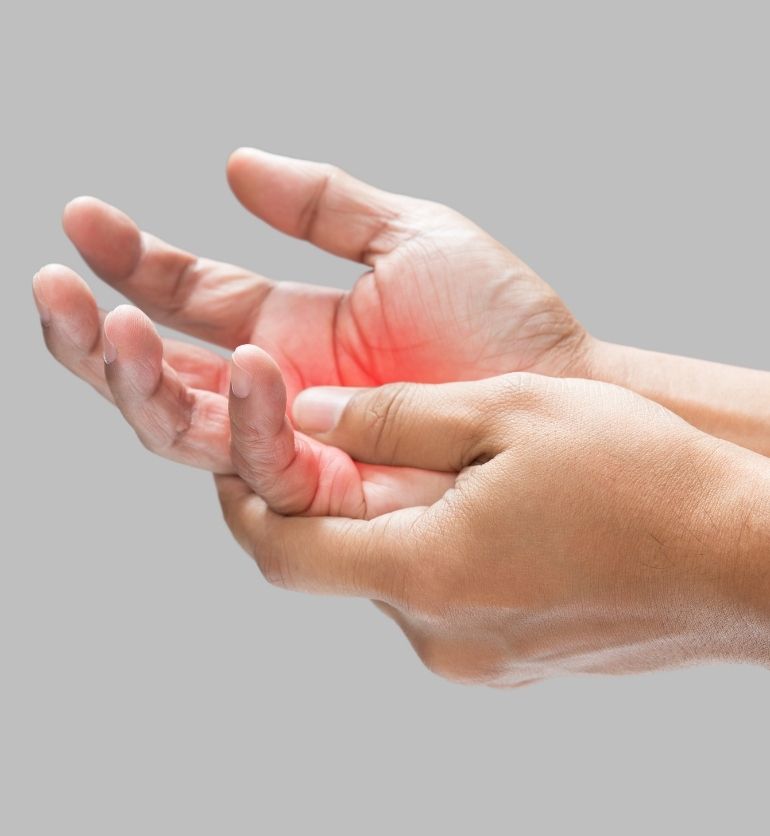
It usually starts small. A little tingling in your toes after you've been sitting too long. A patch of numbness on the bottom of your foot that you chalk up to a new pair of shoes. Maybe your hands feel like they've fallen asleep even though you haven't been leaning on them.
For a lot of people, these sensations come and go for months before anyone thinks to call them a medical problem. But when tingling, numbness, or burning becomes a regular visitor rather than an occasional nuisance, it may be an early sign of neuropathy, a condition that affects millions of Americans and tends to get harder to treat the longer it goes unaddressed.
At Vascular Centers of Texas, we see patients every week who wish they had asked about their symptoms sooner. This guide explains what neuropathy actually is, what causes it, and which warning signs mean it's time to talk to a specialist.
What Is Neuropathy?
Neuropathy, also called peripheral neuropathy, is damage to the nerves that sit outside your brain and spinal cord. These are the nerves responsible for sending sensation signals from your hands and feet back to your brain, and for carrying movement signals from your brain out to your muscles. When those nerves are damaged, the signals get scrambled, delayed, or lost entirely, according to Cleveland Clinic.
That's why neuropathy so often shows up first in the feet and hands. Those nerve fibers are the longest in the body, which makes them the most vulnerable to damage over time. Depending on which nerves are affected, neuropathy can interfere with feeling, movement, or even involuntary functions like digestion and blood pressure regulation.
What Causes Neuropathy?
Neuropathy isn't a single disease. It's a symptom that can be triggered by dozens of different underlying conditions. The most common cause in the United States is diabetes, which can gradually damage small blood vessels that feed the nerves. But diabetes is far from the only culprit.
- Diabetes and prediabetes: Chronically elevated blood sugar is the leading cause of peripheral neuropathy nationwide
- Physical trauma or injury: Car accidents, falls, and repetitive stress can compress or damage nerves
- Autoimmune conditions: Disorders like rheumatoid arthritis and lupus can trigger nerve inflammation
- Infections: Shingles, Lyme disease, and certain viral infections can leave lasting nerve damage
- Chemotherapy and certain medications: Some cancer treatments are known to cause nerve side effects
- Alcohol use and nutritional deficiencies: Especially low levels of B vitamins
- Poor circulation: Reduced blood flow to the legs and feet, as seen in peripheral artery disease, can starve nerves of oxygen
Early Signs of Neuropathy You Shouldn't Ignore
Because neuropathy tends to develop slowly, it's easy to dismiss the first symptoms. According to the National Institute of Neurological Disorders and Stroke, symptoms often begin in the toes and fingers before gradually moving upward. Here's what to watch for.
- Tingling or a "pins and needles" feeling in the feet or hands
- Numbness that makes it hard to feel temperature, texture, or minor injuries
- A burning, stabbing, or electric-shock type of pain, often worse at night
- Muscle weakness or a feeling of heaviness in the legs
- Increased sensitivity to touch, where even bedsheets feel uncomfortable
- Loss of balance or coordination, sometimes described as feeling unsteady on your feet
- Unexplained cuts, blisters, or sores on the feet that you didn't notice happening
Why Catching It Early Actually Matters
Nerve damage is often progressive, meaning it tends to get worse without intervention. Left untreated, neuropathy can advance from occasional tingling to constant pain, muscle weakness, and in more severe cases, a complete loss of sensation in the feet. That loss of sensation is particularly dangerous because it can hide injuries. A small cut or blister that goes unnoticed can develop into a serious wound, which is one reason the Mayo Clinic emphasizes early evaluation for anyone with persistent numbness or tingling.
The encouraging part is that early neuropathy is often more manageable than advanced neuropathy. Identifying the underlying cause and starting treatment before nerve fibers are permanently scarred gives you meaningfully better odds of preserving normal sensation and function.
When Should You See a Doctor?
You don't need to wait until symptoms are severe to get evaluated. It's worth scheduling an appointment if you notice any of the following.
- Tingling or numbness that lasts more than a few days or keeps coming back
- Pain in your feet or hands that disrupts your sleep
- New weakness that makes it harder to walk, grip objects, or climb stairs
- A wound on your foot that is slow to heal or that you didn't feel happen
- A known risk factor, such as diabetes, a family history of neuropathy, or a physically demanding job
The Three Types of Peripheral Neuropathy Symptoms
Not all neuropathy feels the same, because different nerve fibers control different functions. Understanding which type of nerve is affected can help explain why your symptoms look the way they do.
Sensory nerve damage affects your ability to feel touch, temperature, and pain, and is responsible for the tingling, numbness, and burning most people associate with neuropathy. Motor nerve damage affects the nerves that control muscle movement, leading to weakness, cramping, or difficulty with coordination. Autonomic nerve damage affects involuntary functions like digestion, blood pressure, sweating, and bladder control, and tends to produce less obvious symptoms such as dizziness when standing or digestive changes.
Many patients experience a combination of all three, which is one reason a thorough evaluation matters more than trying to self-diagnose based on a single symptom.
Living With Neuropathy: What Helps in the Meantime
While you work with a specialist to identify and treat the underlying cause, a few practical habits can help protect your feet and hands and reduce discomfort along the way.
- Inspect your feet daily, especially if numbness makes it harder to notice cuts or blisters
- Wear supportive, well-fitting shoes to reduce pressure points and protect against injury
- Manage blood sugar carefully if you have diabetes or prediabetes, since stable glucose levels help slow nerve damage
- Avoid prolonged pressure on your hands or feet, such as sitting cross-legged for extended periods
- Limit alcohol intake, which can worsen nerve damage and interfere with nutrient absorption
- Stay physically active within your comfort level, since movement supports healthy circulation to the nerves
How Vascular Centers of Texas Approaches Neuropathy Care
Under the direction of Dr. Pauldeep Bahra, MD, MBA, and Dr. Amit K. Sharma, MD, a board-certified Vascular and Interventional Radiologist, our team focuses on identifying the root cause of nerve pain rather than simply masking symptoms. Because circulation problems are one of the most common and most overlooked contributors to nerve damage, we take a close look at blood flow to the legs and feet as part of a full evaluation.
For patients whose neuropathy is driven by chronic nerve pain that hasn't responded to conservative options like medication or physical therapy, advanced, minimally invasive approaches such as spinal cord stimulation can offer significant relief without the extended recovery time of traditional surgery. You can learn more about this option on our neuropathy treatment page.
If tingling, numbness, or burning in your feet or hands has become a regular part of your life, don't wait for it to get worse. Our team can help you find out what's really going on.
Schedule a Consultation With Our Team.
Frequently Asked Questions
Can neuropathy be reversed?
It depends on the cause. Neuropathy related to a temporary issue, like a vitamin deficiency or a medication side effect, can sometimes improve significantly once the underlying cause is addressed. Neuropathy related to long-term nerve damage is harder to reverse completely, which is why early evaluation matters so much.
Is tingling in my feet always a sign of neuropathy?
Not necessarily. Occasional tingling after sitting cross-legged or wearing tight shoes is usually harmless. It becomes more concerning when it happens regularly, doesn't resolve on its own, or comes with numbness, weakness, or pain.
Does neuropathy only affect people with diabetes?
No. While diabetes is the most common cause in the U.S., neuropathy can also result from autoimmune disease, infections, chemotherapy, alcohol use, physical trauma, and poor circulation, among other causes.
What's the first step if I think I have neuropathy?
Start with a medical evaluation to identify the underlying cause. A specialist can run tests to check nerve function and circulation, then recommend a treatment plan tailored to what's actually driving your symptoms.